Canadian Leadership for Inclusive AI Governance in the Global South: Mitigating Dialect Bias against African English through Nigerian Pidgin English
Author(s):
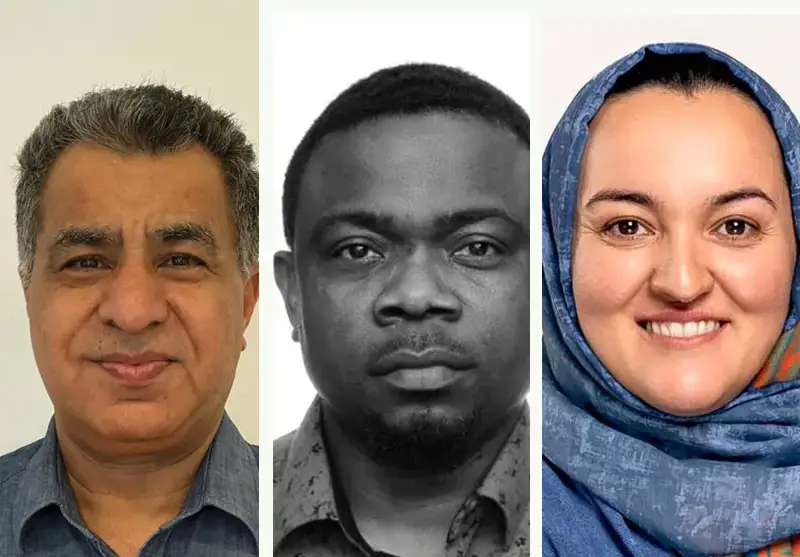
Shahram Mohanna
Blessing Ogbuokiri
Dr. Laleh Seyyed-Kalantari
Disclaimer: The French version of this text has been auto-translated and has not been approved by the author.
The International AI Safety Report (2025) identifies algorithmic bias, unequal access, and lack of representation as major risks that may prevent AI systems from delivering equitable societal benefits. Similarly, the African Union Continental Artificial Intelligence Strategy (2024) highlights the importance of inclusive AI development, responsible innovation, and reducing inequalities caused by emerging AI technologies. However, existing AI safety frameworks have not sufficiently addressed linguistic diversity as a source of algorithmic discrimination. This omission creates a significant governance gap because language is not merely a technical communication mechanism; it represents cultural identity, social participation, and access to opportunities.
Although research on African American English (AAE) dialect bias has provided important evidence of bias against AAE speakers, African English (AE) varieties remain significantly underrepresented in AI research, datasets, and governance frameworks. This creates a major challenge for communities in the Global South, where many linguistic varieties lack sufficient digital resources to support fair AI development. Without representative datasets and culturally appropriate evaluation benchmarks, the extent of AI bias against African English dialects remains unknown.
For example, Nigerian Pidgin English (PE) is a representative example of African English diversity. Nigerian Pidgin is spoken by more than 140 million people across West Africa and plays a major role in social communication, business, media, and digital interaction (Ethnologue, 2025). Despite its widespread use, Nigerian Pidgin remains severely underrepresented in AI training resources and evaluation datasets. As a result, LLMs may incorrectly interpret Nigerian Pidgin expressions as grammatically incorrect, offensive, or toxic. These errors could contribute to digital exclusion through unfair content moderation, inaccurate automated assessments, and unequal access to AI-based services.
The problem is further intensified by limited local capacity for AI auditing and governance. Many countries in the Global South are increasingly adopting AI technologies developed using datasets and assumptions that reflect mainly Western linguistic and cultural contexts. Without local expertise to evaluate AI systems, develop representative datasets, and implement bias mitigation strategies, communities may have limited ability to identify or correct algorithmic harms. Developing dialect fairness benchmarks and training programs is therefore essential for ensuring that AI technologies are safe, inclusive, and culturally appropriate.
We suggest Canadian support in AI governance in Africa and support developing culturally representative dialect fairness benchmarks to measure bias in LLMs and provide evidence for policy development. Initial supports such as CIFAR Solution Network in AI Safety are examples of such initiatives that bring Canadian leadership in AI safety toi Africa. While current AI governance frameworks primarily address fairness across demographic groups, this project pioneers evidence-based standards for mitigating dialect bias against underrepresented African English varieties, addressing a critical gap in global AI governance.
Canada is home to a rapidly expanding African immigrant population whose cultural, linguistic, and economic contributions are increasingly important to the nation’s innovation ecosystem. By advancing culturally representative AI benchmarks and strengthening AI governance capacity across the Global South, Canada can shape emerging international standards for foundation models, reinforce its leadership in responsible and trustworthy AI, and expand its influence through AI diplomacy.
Developing AI systems that fairly recognize African English varieties can improve equitable access to education, healthcare, employment, financial services, and digital government platforms while reducing barriers created by dialect bias. Also, the project enhances Canada’s economic competitiveness by positioning Canadian researchers and companies to develop inclusive AI technologies and governance solutions for emerging markets across Africa, one of the world’s fastest-growing digital economies. By leading the development of AI fairness for Nigerian Pidgin English, Canada can establish a new model for AI diplomacy, expand research and innovation partnerships across Africa, unlock opportunities in one of the world’s fastest-growing digital economies, and strengthen its leadership in inclusive AI governance.
Keywords: Inclusive AI; Responsible AI; Linguistic Fairness; Dialect Bias; African English; Nigerian Pidgin English; AI Governance; Large Language Models; Generative AI; Algorithmic Fairness