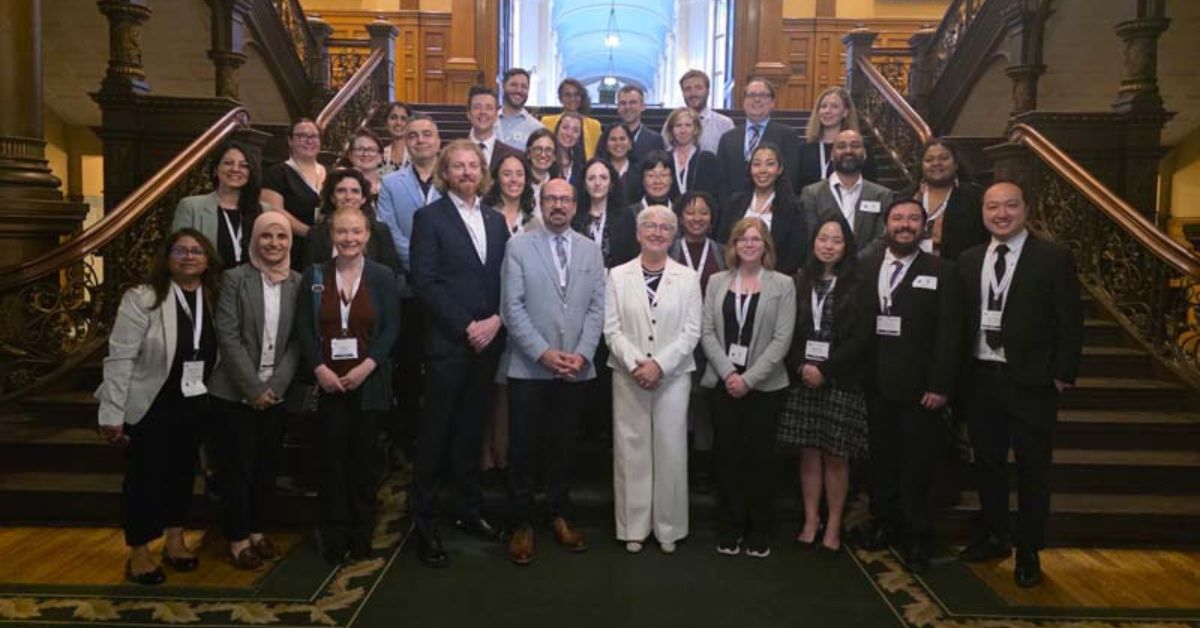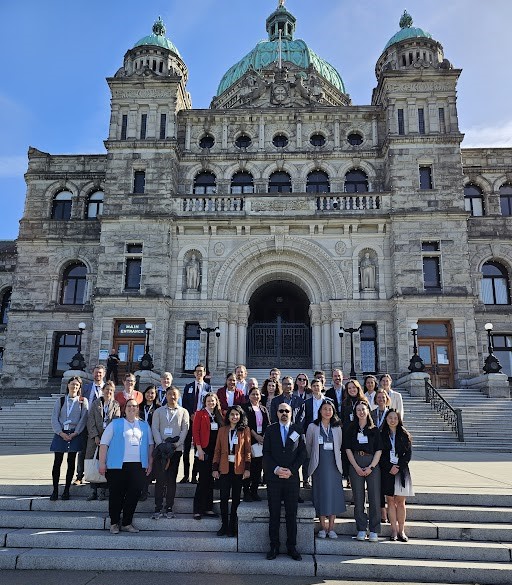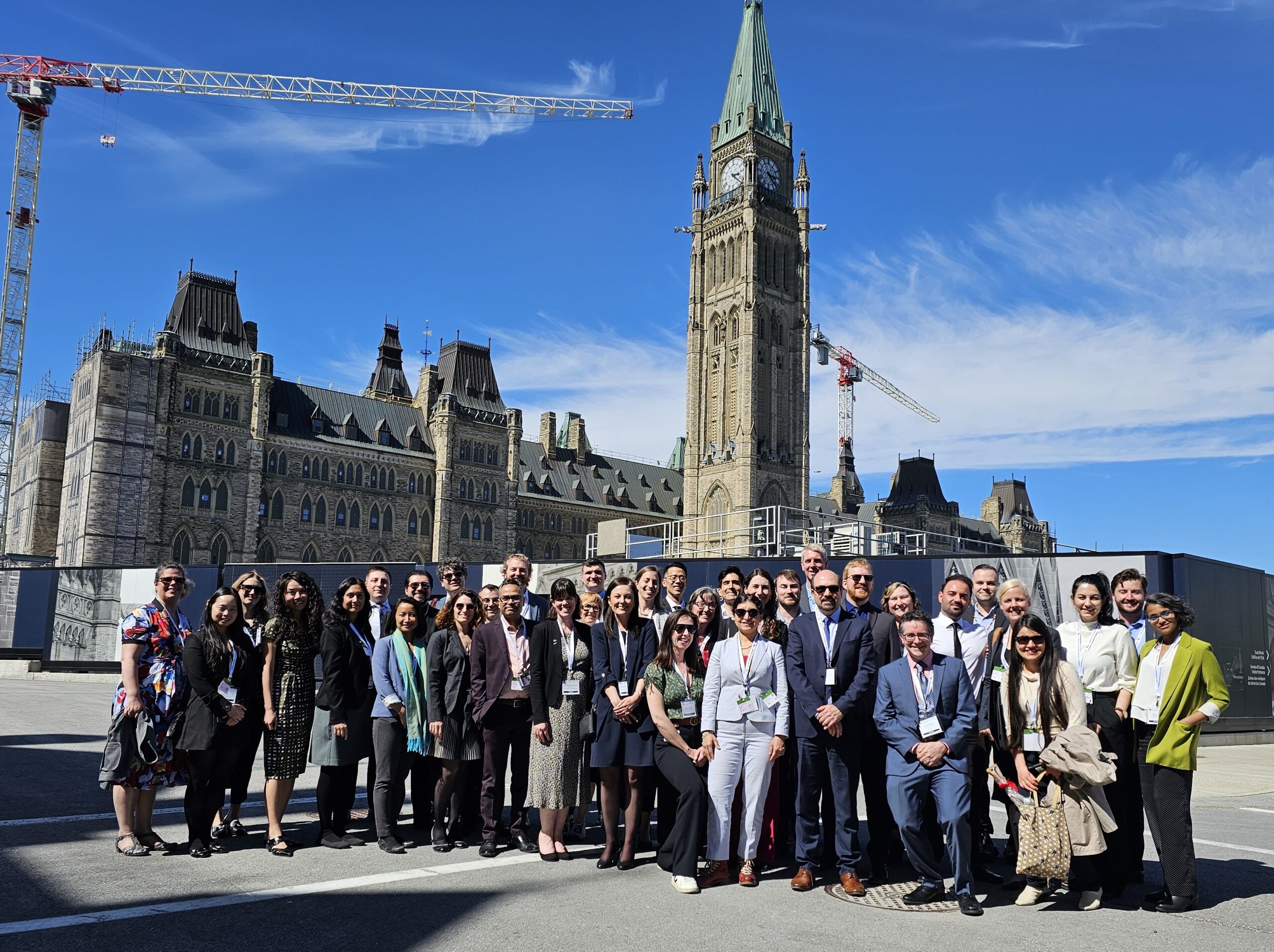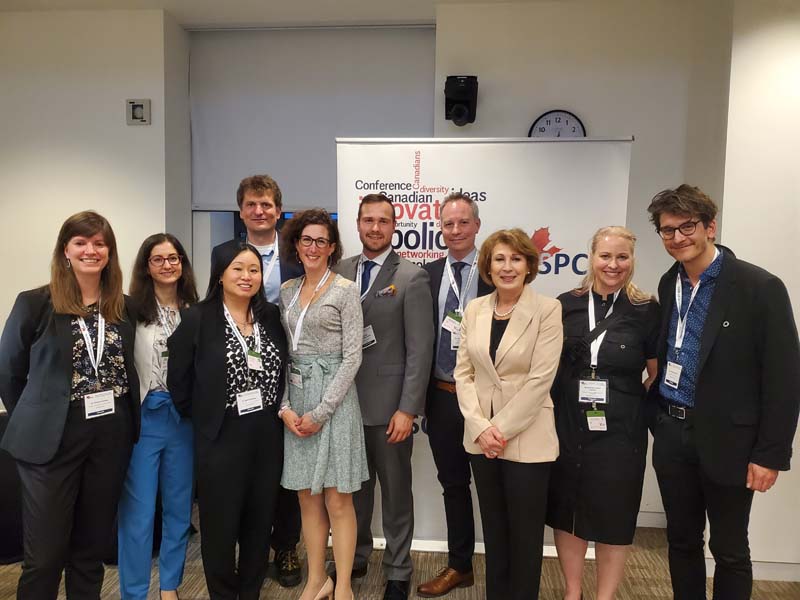



Science Meets Parliament (SMP) in the Media















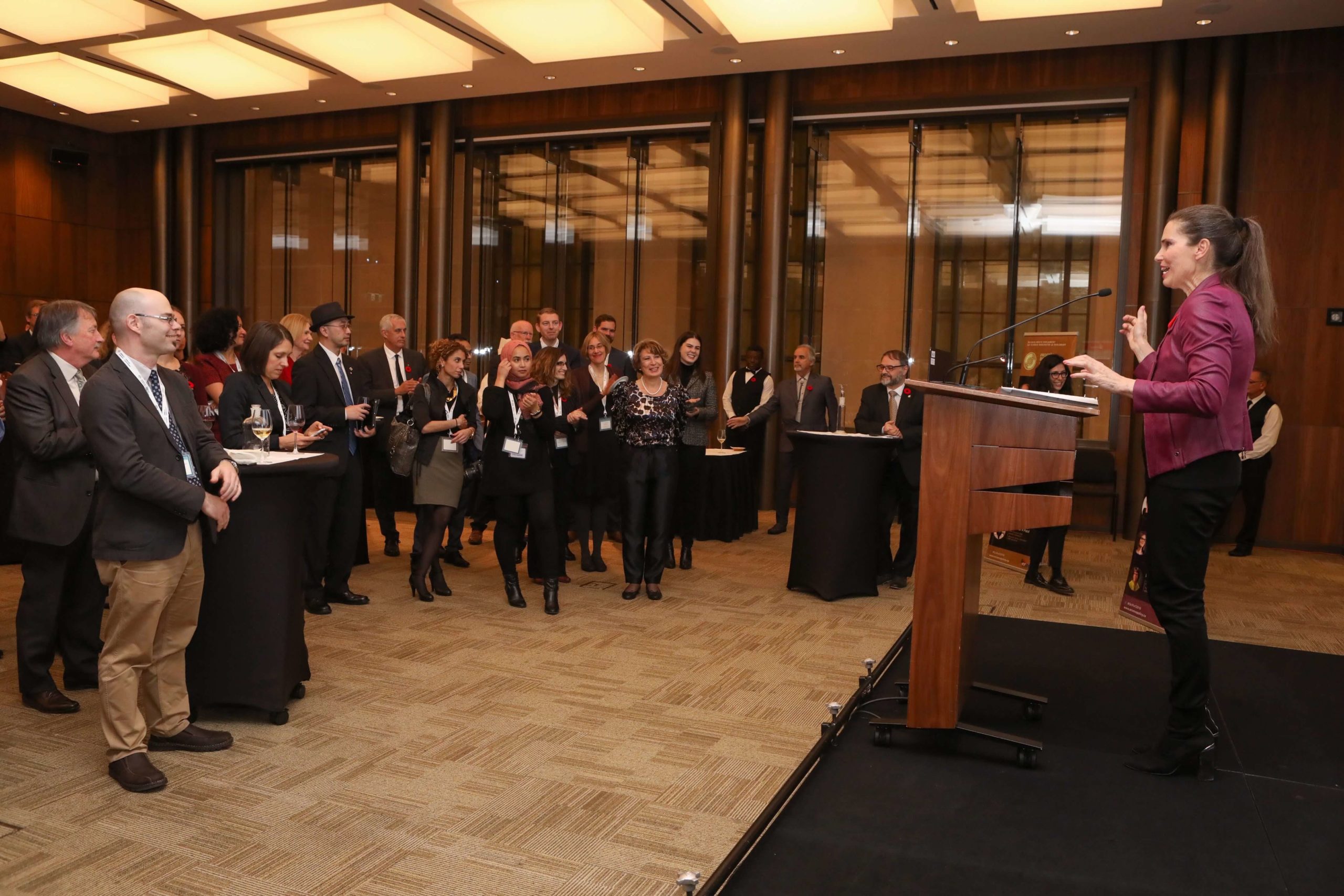
“The meetings are worthwhile opportunities for MP’s to get a better sense of the scope and depth of research being done in Canada, how we collaborate internationally and both the value and limitations of science in policy-making.”
~ Parliamentarian
“Such a tremendous opportunity at a vital time in our country to connect decision-makers in Parliament with key scientists and experts across Canada.”
~ Parliamentarian
“It’s always great — although we do it only annually — to deliberate with real, on the ground, technically qualified people who can provide input beyond the narrative chatter that is the stock and trade (unfortunately) of today’s political discourse.”
~ Parliamentarian
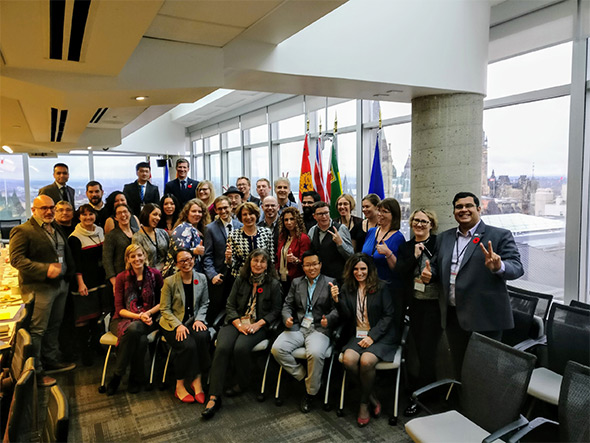
“The Science meets Parliament experience was a rich and transformative experience. It offered a real-world opportunity for scientists and policymakers to interact together. It helped understand better our different languages, cultures and codes, as well as the relationship-building work that is required to bridge these two different and interdependent worlds. Moreover, this was a great opportunity to connect with fellow scientists from a wide range of disciplines, and build on our common interests in contributing to informed public debates.”
~ Delegate
“This was truly one of the most incredible and rewarding experiences I’ve had as an academic. Having the opportunity to connect with policymakers and discuss some of the issues I’m most passionate about was genuinely rejuvenating — it reminded me why I love this work and left me excited about my future research.”
~ Delegate
“This program has fundamentally changed my mindset about science’s role in Canada’s governance. The experience will help to shape the ways in which I disseminate my research, and encourage me to become more involved in decision-making. Most critically, the program has shown me that tools to inform policy exist, but the responsibility falls on scientists to use them, and use them effectively.”
~ Delegate
“Science is vital to the public good of Canada, but only when it is done with awareness of what science outcomes might mean to the public, and knowledge about how to communicate those outcomes in ways that the public and policy makers can understand. The SMP program is critical for fostering this kind of knowledge transfer and for engaging academics in dialogue with Parliamentarians. I hope that it only grows and grows in strength and vitality over the coming years!”
~ Delegate
“This outstanding training program gave me a deeper understanding of how to engage effectively with policymakers, while allowing me to raise awareness of my research. The in-person event with Parliamentarians exceeded my expectations!”
~ Delegate
“This is a valuable eye-opening experience for scientists to learn about current issues, the legislative process, and most importantly, to get to know the MPs.”
~ Delegate
“My ability to connect with parliamentarians and policy-makers and move my research into policy channels has never before felt so possible.”
~ Delegate

Canadian Science Policy Centre
1595 16th Avenue, Suite 301
Richmond Hill, ON
L4B 3N9
E-mail:
[email protected]
Subscribe to the Canadian Science Policy Centre newsletter to keep up-to-date with the latest news, events and programs.
Innovation Policy refers to policies and public strategies, regulations, and initiatives aimed at promoting the development, diffusion, and application of new ideas, technologies, products, and services. It seeks to enhance capacity for innovation to drive economic growth, competitiveness, and social well-being. Innovation policy encompasses support for research and development (R&D), entrepreneurship and education, digital infrastructure, social innovation and collaboration between industry, academia, and government.
Science for Policy refers to the use of scientific knowledge, evidence, and expertise to inform and support decision-making in public policy. It involves translating complex scientific research into accessible insights that can guide the development, implementation, and evaluation of policies across various sectors, including (but not limited to) health, environment, technology, security, education, justice. Science for policy emphasizes evidence-based policymaking, where decisions are grounded in reliable data and research and knowledge rather than opinion or ideology.
Policy for Science refers to the set of governmental policies or institutional strategies, decisions, and frameworks that shape the funding, priorities, infrastructure, and governance of scientific research and development. It involves creating conditions that support scientific innovation, including investments in research institutions, training of scientists and development of science infrastructure, research integrity, EDIA, and international collaboration, ultimately aiming to strengthen the scientific enterprise to advance knowledge,economic development, and societal well-being.
Science for Policy refers to the use of scientific knowledge, evidence, and expertise to inform and support decision-making in public policy. It involves translating complex scientific research into accessible insights that can guide the development, implementation, and evaluation of policies across various sectors, including (but not limited to) health, environment, technology, security, education, justice. Science for policy emphasizes evidence-based policymaking, where decisions are grounded in reliable data and research and knowledge rather than opinion or ideology.
Science & Society refers to areas that strengthen public understanding and engagement with science, including the relationship between science and society. This includes but is not limited to science communication, education, journalism, public engagement, and citizen science and more.