

Industry

Author: Bettina Hamelin


Authors: Michael Ede, Francis Fournier





A general problem common to all governments, at least in the Western world, is the inherent difficulty of achieving both scientific credibility and influence on the political process. Scientific credibility [...]

Budget 2016 had been touted as the herald of change, and there was much in the Finance Minister’s speech to signal that change was coming. The word “innovation” appeared frequently. [...]

During the long Summer/Fall, 2015 General Election campaign, the Liberal Party of Canada campaigned on a number of issues that resonated with scientists who, as a group, had felt particulalry [...]

Canada needs science-informed decision making for better government, irrespective of the political stripe of the party in power. Therefore I believe that the Minister should strive to establish a Chief [...]

President of the Canadian Society for Molecular Biosciences Director of the Ottawa Institute of Systems Biology Canada Research Chair in Chemical and Functional Genomics Associate Professor, Department of Biochemistry, Microbiology [...]

The new government’s first federal budget was announced on Tuesday. As expected, and to general praise—except, perhaps, regarding the magnitude of the deficit—the budget placed a worthy emphasis on measures [...]

The day after Budget Day 2016, I had the wonderful opportunity to attend Queen’s University’s Three Minute Thesis competition, where graduate students explain their research to a general audience. Research [...]

The Federal Budget brought a mild surprise and welcome news to the space community in that the government provided a specific funding dollar amount to sustain Canada’s contribution to the [...]

My great uncle, Paul Larose, was a distinguished chemist at the NRC during the WWII era. His expertise was in textiles (especially wool materials). With part of the research he [...]

Not surprisingly, the March 22 Budget delivered by Finance Minister Morneau was a comprehensive set of policy measures and initiatives designed to both deliver on election platform commitments and address [...]

One of the most interesting figures for me in Budget 2016 is the number 43, that wasn’t actually in the Budget itself. It is the percentage increase in references to [...]

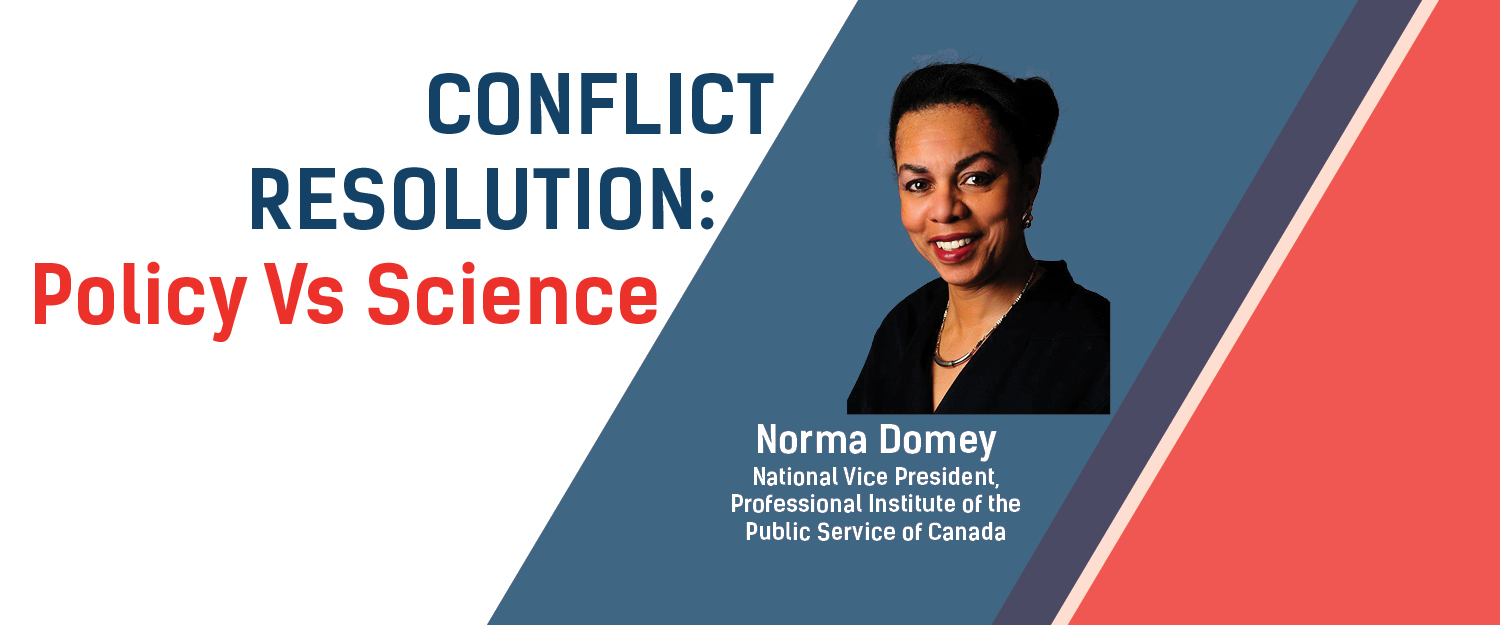
The Professional Institute of the Public Service of Canada (PIPSC) represents more than 15,000 federal scientists and other professionals employed by federal science-based departments and agencies. Federal scientists and researchers [...]

Canada’s Chief Science officer will inherit a conflicted environment in terms of science policy. This dualistic landscape is conformed, on the one hand, of precautionary approaches, and one the other, [...]

Last year at the Paris climate change conference, Canada and 194 other countries committed to combat climate change through innovation and low carbon solutions. This past June, Canada, the United [...]

Across Canada, inventors, researchers and entrepreneurs are dreaming up the world of tomorrow. Through bold acts of ingenuity, they are continuously pushing the boundaries of both what we know and [...]

Most of the discussions I’ve had with Canada’s business leaders around the topic of innovation have a common theme: how to succeed in a world of accelerated change and disruptive [...]

What would you guess is the single most important ingredient in modern food production? Good seeds? Rainfall? Fertilizer? The surprising answer is that around the world, the scarcest and most [...]

The federal government has a bold vision to rebrand Canada as an innovation nation. However, the reality is that you can not play to win in every economic sector that [...]

Canada’s lack of venture capital funding has been denounced consistently in studies and think tank reports, and by the media, entrepreneurs, and even venture capitalists themselves. The general view expressed [...]

The federal government is looking to create, “an inclusive plan to foster a confident nation of innovators—one that is globally competitive in promoting research, translating ideas into new products and [...]

Background Canadians are aware of global warming but most do not understand the seriousness of the implications. The factors affecting global warming have been studied, documented and reported in [...]

With contributions from Mahmoud Masaeli, Professor, School of International Development and Global Studies, University of Ottawa We are living in an increasingly globalising world characterised by a high degree [...]

Canada is big, cold and empty (relatively speaking) with a large resource base below ground. Thermodynamically the news about our per-capita greenhouse gas (GHG) footprint was never going to [...]

Op Ed – Review of Basic Science Canadians have come to expect their government to engage them in meaningful dialogue about the future of the country. Our government is [...]

The launch of the Government of Canada’s Fundamental Science Review sends an important message to Albertans and Canadians: discovery-driven, fundamental science is an essential piece of the Canadian research landscape. [...]

Public health research boasts few success stories of its policy influence in recent years. Consider the examples of the obesity pandemic, and health inequalities by social class. The thousands of [...]

The issues faced by Canadian society are increasingly complex, multi-disciplinary and multi-sectoral in nature, and global in scope and impact. To address those challenges, the Federal government has indicated that [...]

Coming up to its first anniversary in power, the Trudeau administration is coping with many consultations and challenges. This high expectations path forward is uncertain even for this majority government. [...]

Climate change stands to affect almost every industry but there are few that will be impacted as much as agriculture. With temperatures expected to rise several degrees over the next [...]

UBC’s Okanagan campus offers an outstanding case study in driving regional socio-economic development through innovation. In its first decade, UBC Okanagan and has already had a significant positive impact on [...]

On 21 September, 2016, policymakers, researchers, and non-governmental actors paid close attention to the High-level Meeting on Antimicrobial Resistance (AMR) at the United Nations General Assembly—only the fourth time [...]

Justin Trudeau made clear in his letters of mandate to Ministers, as well as later in his government’s inaugural budget, that he intended a new era for evidence in [...]

The hit movie Hidden Figures celebrates the three African-American women mathematicians who helped NASA win the race to space in 1961. Much has been written about their achievements, but many [...]

Pundits have shaken, stirred, turned upside down the federal budget for the last crumbs. I am left to comment on that pesky pea, hard to find but very important to [...]

With a focus on skills and innovation, the federal government’s Budget 2017 aims to position Canadians for a changing economy and society. And while we might have wished for more [...]

The Liberal government was elected in 2015 with a platform promising significant investments in agricultural research. The mandate letter given by the Prime Minister to the Agriculture and Agri-Food Canada [...]

Canada has a new roadmap for regaining a leadership position in global research. The long-awaited report from the Advisory Panel on Federal Support for Fundamental Science charts a promising path [...]

Three cheers for the Naylor Report on “Investing in Canada’s Future: Strengthening the Foundations of Canadian Research”. The Royal Canadian Institute for Science (RCIS) applauds the release of the Naylor [...]

As Canada celebrates its 150 years, it is a good time to reflect on the discoveries, innovations, and research that Canada has cause to be proud of. In so many [...]
The Arctic covers an immense area of Canada, about 40 percent of our territory. Scientists have been undertaking leading-edge research in the North for over two-thirds of our country’s lifetime [...]
The past offers a guide to the future When I started my undergraduate degree in physics at the University of Manitoba in 1991, I knew I was on my [...]

The new millennium has brought new hopes and challenges for the global community. The end of cold war supposed to lead to a lasting peace generated new conflicts between various [...]
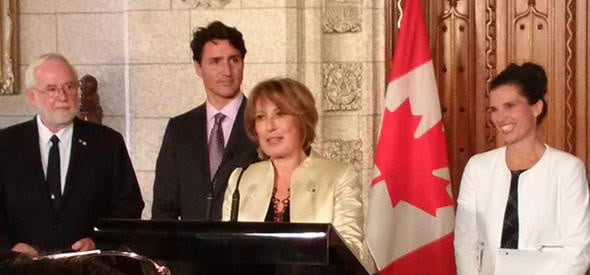
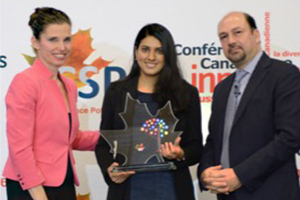
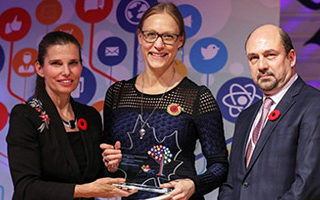
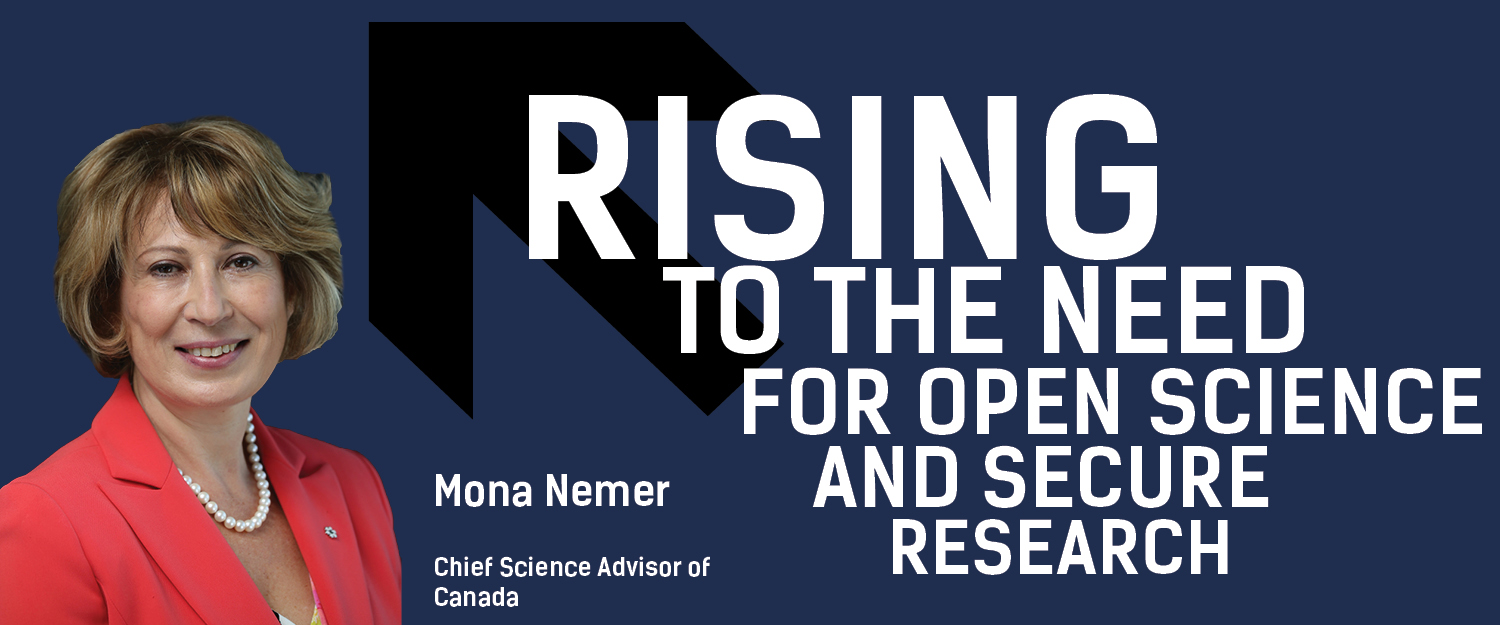
After great anticipation, Prime Minister Trudeau along with Minister Duncan have announced Canada’s Chief Science Advisor, Dr. Mona Nemer at a ceremony at the House of Commons. The Canadian Science [...]

The Canadian Government, now over a number of decades has talked about job and wealth creation through innovation, about securing a future based on new generation industries developed from science [...]

A recent poll commissioned by the Ontario Science Centre paints an alarming picture of the public perception of science in Canada (http://www.cbc.ca/beta/news/technology/science-attitudes-survey-2017-1.4298800). 43 percent of Canadians believe that scientific findings [...]

Digital, physical, and biological systems are coming together in what is being called the 4th Industrial Revolution. The First Industrial Revolution left governments scrambling to create new laws to match [...]

Albert Einstein said, “If you can’t explain it simply, you don’t understand it well enough.” It follows that if you understand it well, you must be able to explain it [...]

Is there such a thing as common advice for boundary organizations, organizations that link knowledge with decision-making? Let me start by identifying a shared challenge they are facing, despite differences [...]

One day, the U.S. president is taunting North Korea, treating nuclear conflict like it’s WrestleMania. The next, he glibly dismisses racial injustice in America by smearing black athletes engaged in [...]

CSPC 2017 Panel 318-323: Addressing Major Global Challenges through Science and Public Policy Climate Change is a wicked and unwieldy problem impacting every sector, every level of government, and ultimately [...]

The review on fundamental research commissioned by Federal Minister of Science Kristy Duncan has generated significant buzz. It has also resulted in an unprecedented level of consensus among the usually-competitive [...]

We suggest that government funding of basic research should emphasize quality rather than quantity, that the social sciences, multidisciplinary efforts, and projects relevant to Canadian needs should get higher priority, [...]
Last week, the current federal Finance Minister indicated that it is time to invest back in science, skills and research in the coming budget. Indeed, the knowledge community is pumped [...]

A recent study claims that almost 1 million Canadians give up food and heat to afford prescriptions. This is just a harbinger of things to come because the current business [...]

The federal government’s Budget 2018 is an advance for the science, research and innovation communities. The overall approach to gender equity, diversity and decolonization is important and timely. The government [...]

Earlier this week Finance Minister Bill Morneau tabled his third federal budget in the House of Commons. The budget, entitled Equality Growth: A Strong Middle Class, lays out an ambitious [...]

Canadian budget 2018 choreographs a politically correct move to harvest diversity dividend by supporting inclusive initiatives for women, indigenous people, youth and immigrants. Besides being a politically correct tactic for [...]
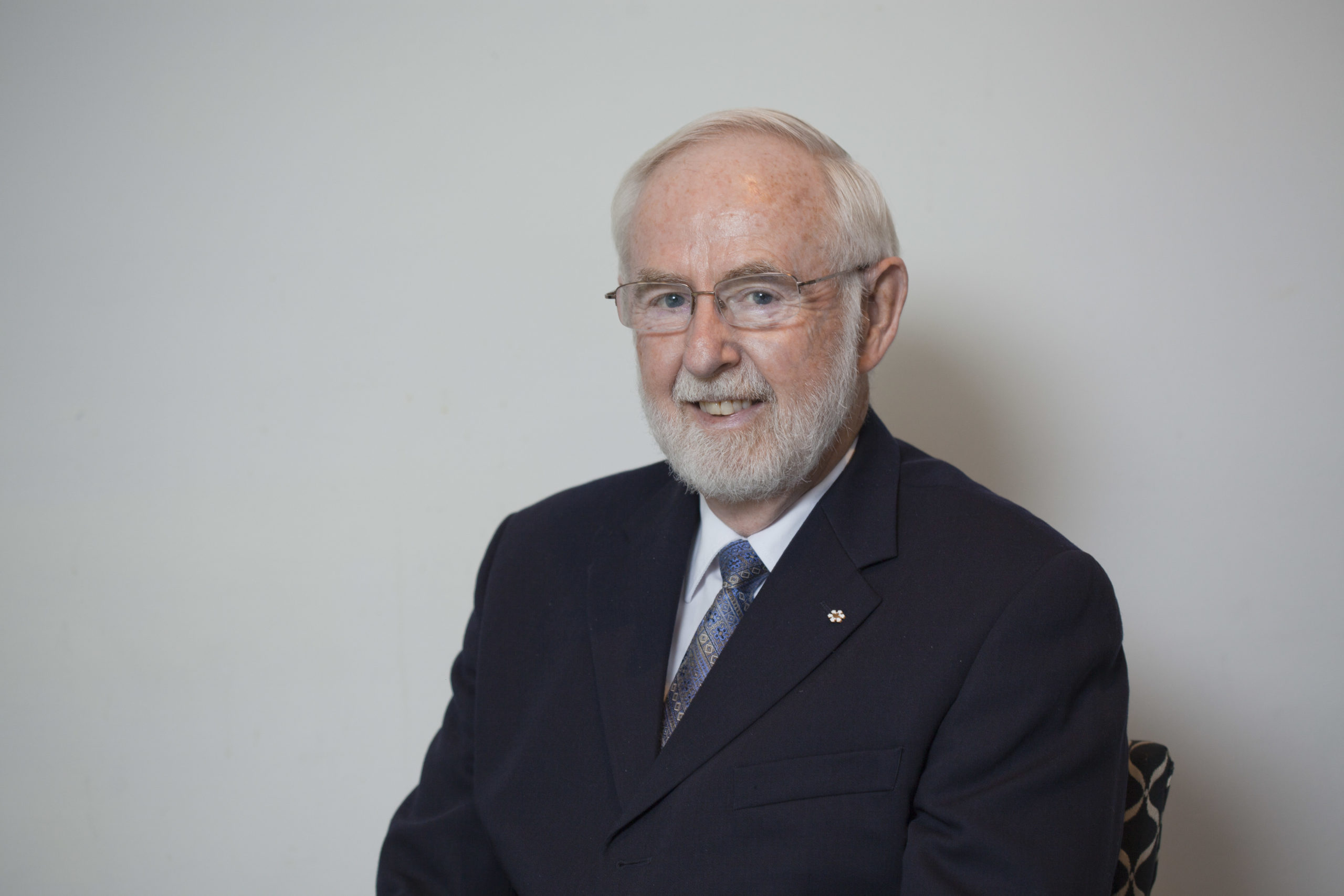
Our present government stated that they plan to use evidence-based decision-making. Their approach to fundamental science priorities in the 2018 Budget indicates that they are serious about this. In 2016, [...]

Mid-mandate budgets have a reputation for being underwhelming. While Budget 2018 is prudent, it reiterates that the federal government understands that Canada’s future rests on knowledge, innovation and highly skilled [...]
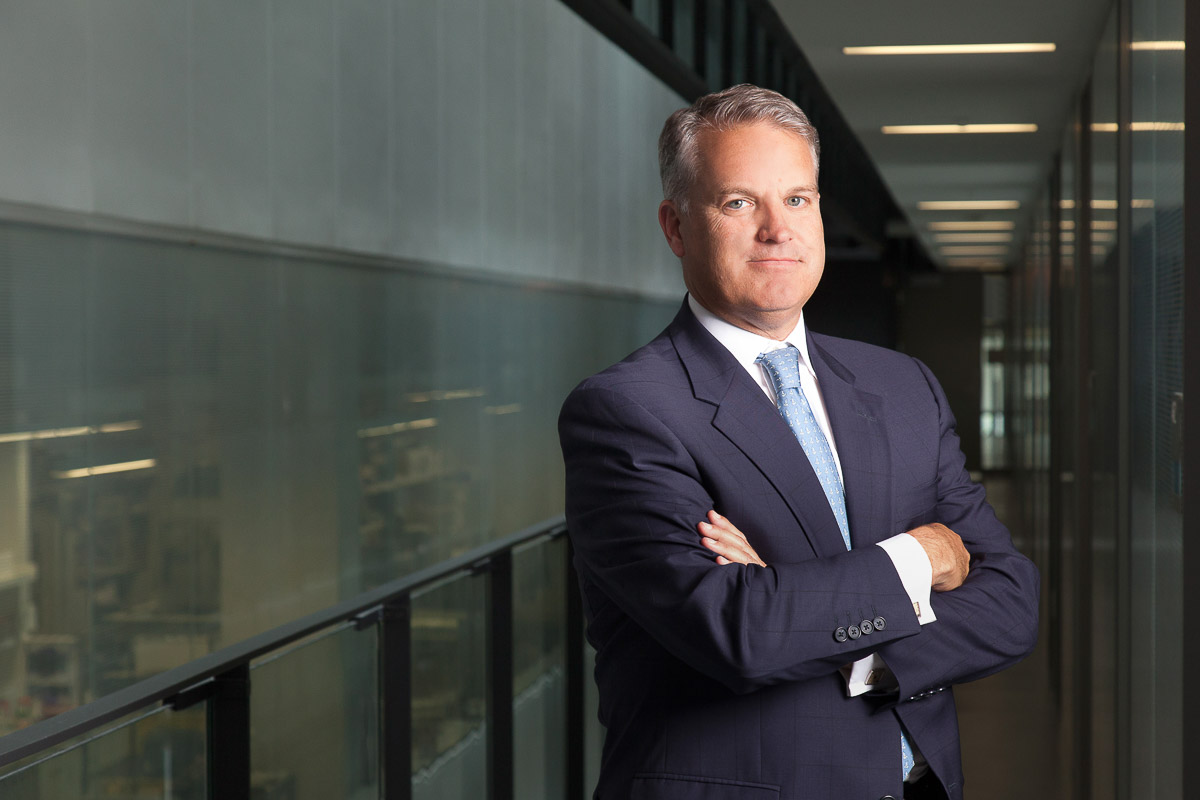
Canadian life sciences can lead the world – but we’re not there yet. The good news is we now have many of the tools to get there. “Equality + Growth”, [...]

Budget 2018 is excellent news for Canadian science. It represents a balanced and strategic approach to the operational, infrastructure and personnel needs of research and it recognizes that Canada needs [...]

Budget 2018, Equality Growth: A Strong Middle Class has proposed unprecedented support for Canadian health research and innovation through an investment of nearly $4 billion in Canada’s research system. Although [...]

The 2018 Budget heavily bets the welfare of Canadians on investments in science and technological innovation, seemingly ignoring the core issue with such investments: the return on investment (ROI) and [...]

Until about three weeks ago, I had never heard of the budget lockup. Scientists don’t get much training in policy and little regular exposure to politicians. So like many others, [...]

After much anticipation, the Canadian scientific community has much to celebrate about the Federal Budget 2018 for two historic shifts; first a record investment in science, and second a new [...]

On Monday afternoon, the Minister of Science and Minister of Sport and Persons with Disabilities, Kirsty Duncan spoke with Canadian Science Policy Conference’s founder and CEO, Mehrdad Hariri, to discuss [...]

As a woman in science I have experienced many challenges. While working as a graduate student, I felt fortunate that I was surrounded by both female and male colleagues. My [...]

Women’s contribution to sciences is not well recognized due to men’s inability to see the obvious. If it was not for women the human race would not learn to communicate. [...]

Visited a toy store lately? Pink and blue aisles are still a reality! But as Barbie turns 59, she’s competing for shelf-space with an exciting array of toys designed to [...]

Microaggressions are subtle derogatory messages that are communicated to an individual or group of individuals. In many occasions, they come from stereotyping based on the physical characteristics of an individual [...]

I am a first-generation Canadian born to immigrant parents, a first-generation post-secondary degree holder, and a woman of colour pursuing a doctoral degree in infection and immunity. There are many [...]

Decades have passed since the first policies oriented to support women in the sciences were launched. North American funding agencies, as well as Universities and Colleges have been motivated to [...]

Bill C-45 – the Cannabis Act – received Royal Assent on 21 June 2018, and as of 17 October 2018, the recreational use of cannabis will be legal in Canada. [...]
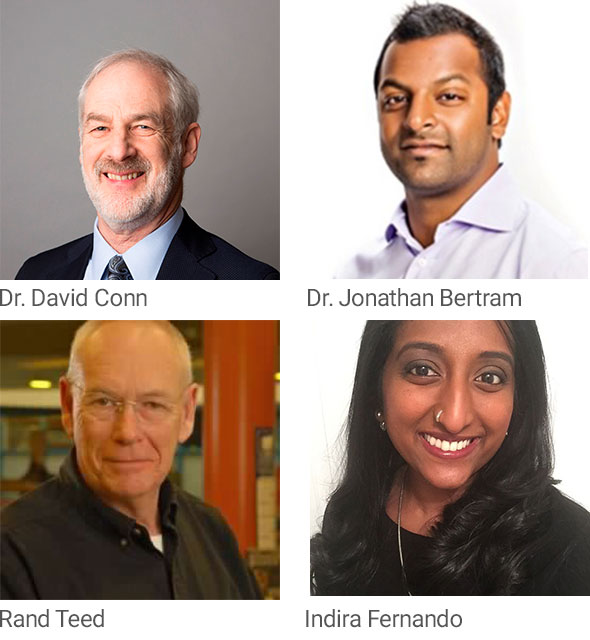
The legalization of Cannabis steadfastly approaches our nation this fall. Canada stands out as the first of the G7 countries to adopt such a monumental policy change in its drug [...]

What place does inclusion have in science? What value does it bring to the table? Is it practical to incorporate this into the very fabric of how we use science [...]

For decades now research funding in Canada has failed to keep pace with the constant pressure to increase productivity and output in order to maintain a position of relevance for [...]

The Canadian Science Policy Centre Strategic Plan asserts that “Embracing and synthesizing [ ] diverse perspectives and collaborating across traditional silos and jurisdictional barriers will be, perhaps, one of the [...]

One of the frequently cited barriers to commercialization in Canada is that industry, academia, investors, small- and medium-sized enterprises (SMEs) and government are not on the same page. They are [...]

As we celebrate the 10th anniversary of CSPC conferences, it is perhaps worth remembering one of the keynotes at the very first event in 2009. The speech was given by [...]

Budget 2019 was not just business as usual for the Liberal Party of Canada. Mired in the never ending fallout of the SNC-Lavalin affair, the Trudeau government was in desperate [...]

Federal Budget 2019 has been touted as a “skills budget” for its focus on supporting education across the primary, secondary and tertiary levels, and right through to entrepreneurship and supporting [...]

Relevant Education The beginning of the 21st century has been marked with the transition to fully automated and highly robotized production. Whole sectors of economic and social life, such as [...]

Throughout the many areas of scientific research, the one constant that unites the majority of scientists is our desire to make an impact on the world around us. We fastidiously [...]

It’s not so much a question of whether we’ve developed a “Culture of Innovation”, whether our kids are interested in science, whether our academic and industrial scientists have the “Right [...]

In the recent federal budget, Canada signaled it was ready to join the rest of the G7 in moving towards a National School Food Program. This is exciting news. The [...]

The gap between incremental progress and the fast, transformative change we need on one of humanity’s toughest scientific challenges was on full display when Finance Minister Bill Morneau tabled his [...]

This year’s federal budget underscores the importance of sustained commitment to universities, recognizing the central role they play in meeting the needs of Canadians. Budget 2016’s support for postsecondary infrastructure [...]

From the get-go, Budget 2019 was introduced by Finance Minister Bill Morneau as a “skills budget” and indeed it delivered a wide range of measures aimed at supporting access to [...]

The 2019 Federal Budget builds on the historic investment in mental health spending announced in 2017 and aims to support key foundational mental health strategies with the potential to improve [...]

The past weeks have been transformative for the Canadian Space Agency. With the Prime Minister’s announcement of new funding to join the Lunar Gateway and the release of the Space [...]

The federal budget is an opportunity to build on 21st century economy needs while ensuring Canada remains at the forefront of discovery and development of biologic based products and technologies. [...]

Budget 2019 announced $459 million of new and renewed support for several leading science and technology-based organizations. This should be applauded and celebrated. Together with Budget 2018’s $4 billion injection [...]

The Canadian government and food security policy We salute the Canadian government’s efforts to establish a food policy for the country. This new policy will include supporting the development of [...]

Canada’s “Fathers of Confederation” were men of their time, which is why, among other things, “health” was not seen as a primary responsibility for governments, and certainly not the [...]

I am a great fan for Prime Minister Justin Trudeau for he represents new and young Canada. His offbeat approach leaves behind archaic diplomacy of 20th century and adopts ‘disruptive [...]

The 2019 federal budget being a largely a caretaker budget meaning that it lacks some of the more cynical pre-electoral giveaways that sometimes characterize election-year budgets. But make no mistake, [...]

Budgets are about choices. Budget 2019 chose to continue the underfunding of public science capacity in Canada. While Budget 2018 had announced $1.7 Billion of new funding for Science research, [...]

Across Canada, “Shoppers Drug Mart Presents…Medical Cannabis: The future is now”. In holding conferences outlining the place for medical cannabis within patient treatment plans, Shoppers hopes to provide physicians with [...]

With the recent announcement of $160M to boost funding for “nationally significant” science facilities, Trudeau has continued to position himself as more responsive to the needs of the science community [...]

With the publication of both the United Nations regional assessment report on biodiversity and ecosystem services and Canada’s 2019 Changing Climate Report have come more proclamations on the dire state [...]

No matter what your position is on climate change and its risks to the environment and society, one thing is clear—we’ve been missing the mark when it comes to communication. [...]

It should be abundantly clear to most of us that we have entered into a new era, some have called it a new epoch, the Anthropocene, where man’s activities are [...]

I work in a rather interesting space, trying to increase the creation and uptake of scientific research within the field of public policing. It has long been an axiom of [...]

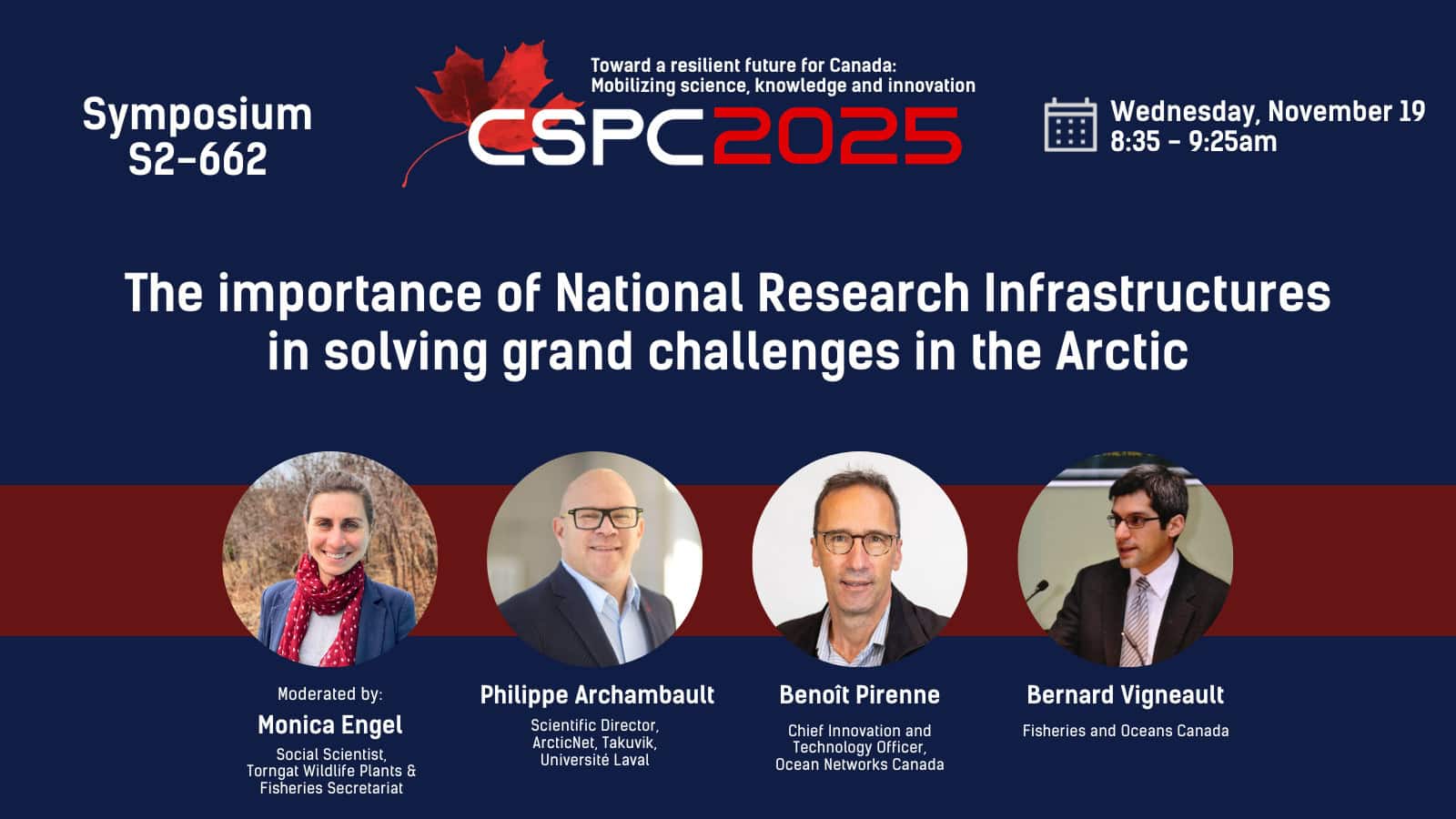
The Arctic is undergoing immense change. The region is warming twice as fast as the rest of the globe. Particles of plastics burnt halfway around the world are carried by [...]

The ‘promise of science’ is about envisioning possible futures from advances in science and technology. It is our expectation that science will provide solutions to intractable, complex social problems and [...]

The Bank of Canada’s communication is critical during uncertain economic times and plays an influential role in consumer behaviour. These communications are usually designed to incite a specific behaviour. For [...]

Most Canadians believe that in the future, scientific advancement will play a major role in solving challenges and pressing needs.[1] Research shows us that Canadians value innovation and risk taking, [...]

Science didn’t make headlines during the 2019 Canadian federal elections — but for once, it did receive more attention, in part, due to scientists and science supporters collectively speaking up [...]

Humankind may soon greatly expand its power over nature through a range of potentially transformative technologies. Advances in biotechnology, like the “Crispr revolution”, could greatly expand human control over biological [...]

Smart cities promise increased prosperity and improved quality of life for communities that can strategically leverage advanced technology and data analysis to address everyday challenges. Reduced traffic flow, improved [...]

Internationally, the drive to make scholarly research available to all (Open Access – OA), is gathering momentum, spurred in large part by recent international developments such as Plan S. [...]

Cyberattacks are increasing in frequency, severity and sophistication. Is Canada well-positioned in this arena and ready to take on the growing cybersecurity challenges? After two trips to Israel on official [...]

Digital technologies that collect, process, and analyze data are evolving at lightning speed. In this context, ‘agile’ has become the buzzword not only for the development of these technologies, [...]

Risks from infectious and non-infectious emergencies are increasing in communities globally, influenced by emerging infectious diseases, extreme weather and climate change, and the complexity of our communities. As a clinician [...]

In 2016, The Neuro (Montreal Neurological Institute and Hospital) launched an initiative to fully adopt open science with the creation of the Tanenbaum Open Science Institute (TOSI). While the definition [...]

The connection between policymakers, scientists and the public is essential in advancing innovative technology and policy to solve complex problems including climate change, energy justice, cancer, Parkinson’s disease, and to [...]

“As we develop science policy we need to look beyond the short-term context, beyond the research that looks immediately promising. If we’re blinded by the urgency of our problems, we [...]

Canada has many competitive advantages, not least of which are our world-class researchers and universities that continue to be leading destinations for international talent. Yet despite these advantages, concerns persist [...]

The dust has settled from the hot takes of Budget 2021, providing a moment to reflect on the priorities and objectives it sets out for the current government. As members [...]

With public and political attention riveted by the year’s most obvious international crises, from local climate disasters to Russia’s war in Ukraine, governments in Canada and elsewhere are running out [...]

The division of scientific labor fuels the growth of knowledge, specialization, and expertise. However, it simultaneously creates silos, skepticism, redundancy, and missed opportunities. Specialists who make breakthroughs in their own [...]

The COVID-19 pandemic has taught us many lessons about science and technology. It has underlined the importance of quicker and smarter surveillance and responses to public health emergencies. The pandemic [...]

When there is a production of any crop in the world, it impacts directly or indirectly on everyone’s plate. In the food supply chain, wheat is one of the most [...]

Our electronic world is fuelling a digital revolution that is rapidly transforming research, business and lifestyles. A data explosion is shifting the way organizations research, develop, make and service products. [...]

Climate change is an urgent problem that requires bold and immediate action on a global scale. I believe Canada has an opportunity to play a leadership role in the world-wide [...]

Taylor Reid Sutherland’s proposal, titled “Integrating Depth Distribution Data into Canadian Shark Conservation Policy,” aimed to address the critical issue of declining shark populations in Canada and worldwide. Her work recognizes the severe threats faced by sharks due to high exploitation rates, climate change, and by catch, resulting in their decline and endangerment.
The proposal’s novelty lies in its innovative approach to address the limitations of SSFM and its integration of previously understudied vertical distribution data. It aims to balance creativity with logic and rationale to adapt to the current climate crisis and growing human population’s impact on marine ecosystems.

Exploring Ramelteon’s Pharmacological Profile and Therapeutic Applications Ramelteon, a melatonin receptor agonist, has garnered significant attention for its unique pharmacological profile, distinct from traditional hypnotics and sedatives. Unlike benzodiazepines, ramelteon [...]
Förstå Sulfasalazin: Mekanism och användningar inom medicin Sulfasalazin, en förening av historisk betydelse inom det medicinska området, representerar en fascinerande fusion av sulfapyridin och 5-aminosalicylsyra. Utformade för att utöva sina [...]
In the medical landscape, the prevention of falls from elevation is a crucial focus. Among the drugs that serve specific functions in treatment, Amiodarone HCl tablets stand out. This article [...]
Understanding Orlaam and Its Role in Felty’s Syndrome Orlaam, a medication traditionally used for opioid dependence, has emerged as a point of interest in addressing certain symptoms associated with Felty’s [...]
Comprendre le tartrate de brimonidine : mécanisme et applications Le tartrate de brimonidine, un agoniste des récepteurs alpha-2 adrénergiques, joue un rôle essentiel dans la santé oculaire, notamment dans la [...]
Overview of Prilocaine HCl and Epinephrine Injection in Emergencies In the realm of emergency medicine, timely and effective interventions are paramount. Among the pharmacological arsenal available, the combination of prilocaine [...]
Author: Bettina Hamelin
Authors: Michael Ede, Francis Fournier


Authors: Catharine Whiteside, Alain Beaudet

Author: Stéphanie Michaud



Authors: Yadira Tejeda-Saldana, Sean Frederic Yam, Jonas E. Gerson


Authors: Bassel Kazzaz, Ken Delaney


Authors: Zafer Sonmez, Alain Francq


Authors: Isha Datar, Matt Labine, Yadira Tejeda-Saldana


Authors: David Hill, Ellen Chesney, Michael Czubryt




Authors: Sylvain Charlebois, Evan Fraser, Lenore Newman, Amy Proulx


Authors: Michael Butler, Elham Salimi

Author: Joshua Pearce


Authors: Mark Bayfield, Julie Claycomb, Martin Sauvageau, Trushar Patel
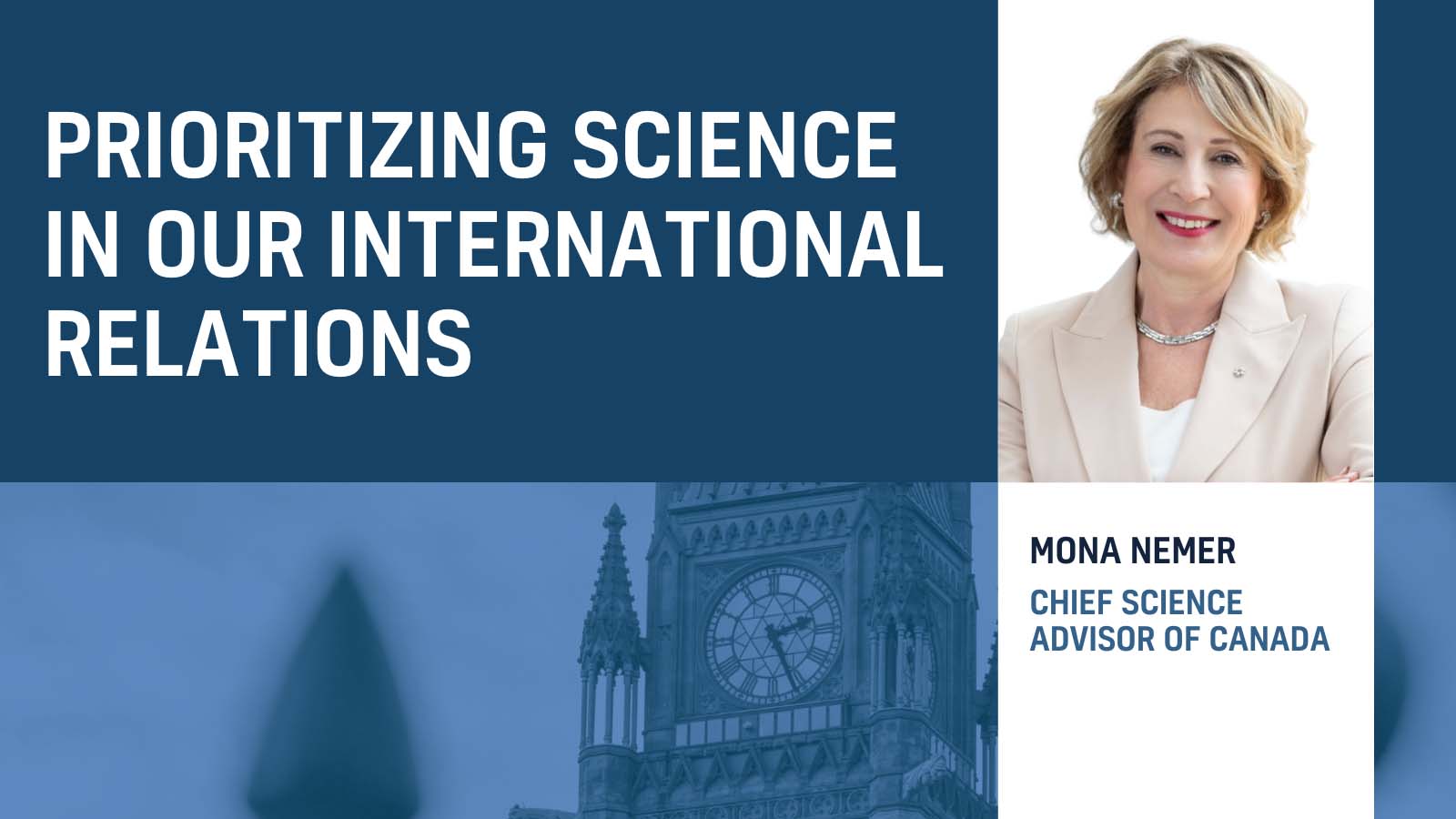
The French version of this text has been approved by the author.


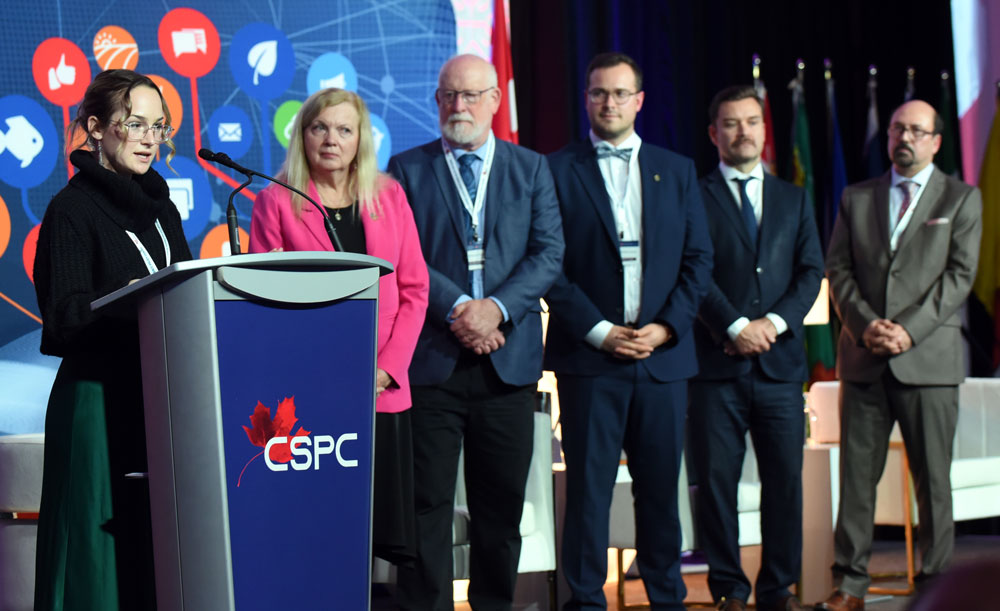
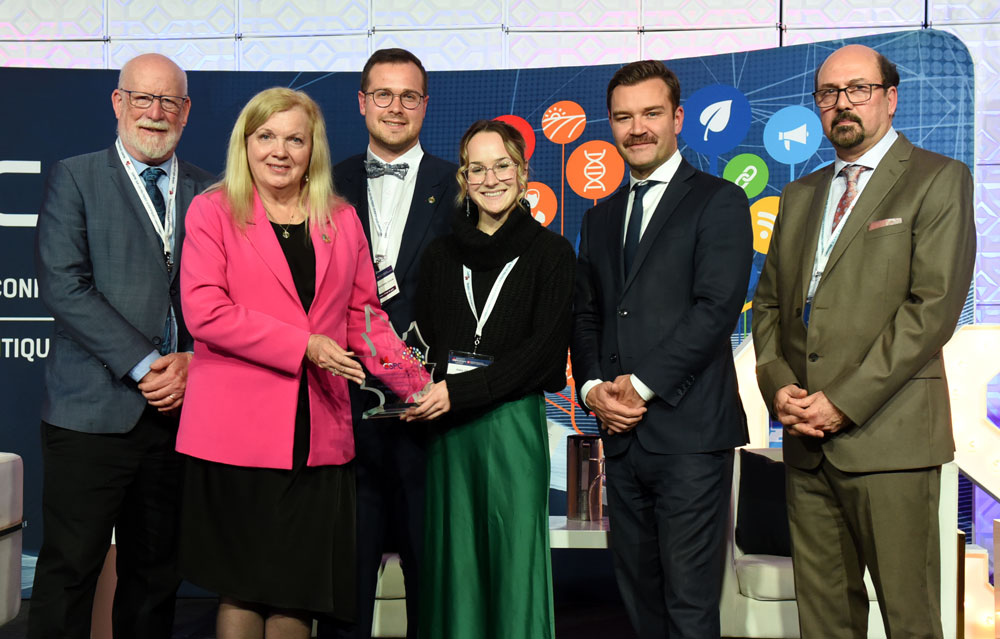
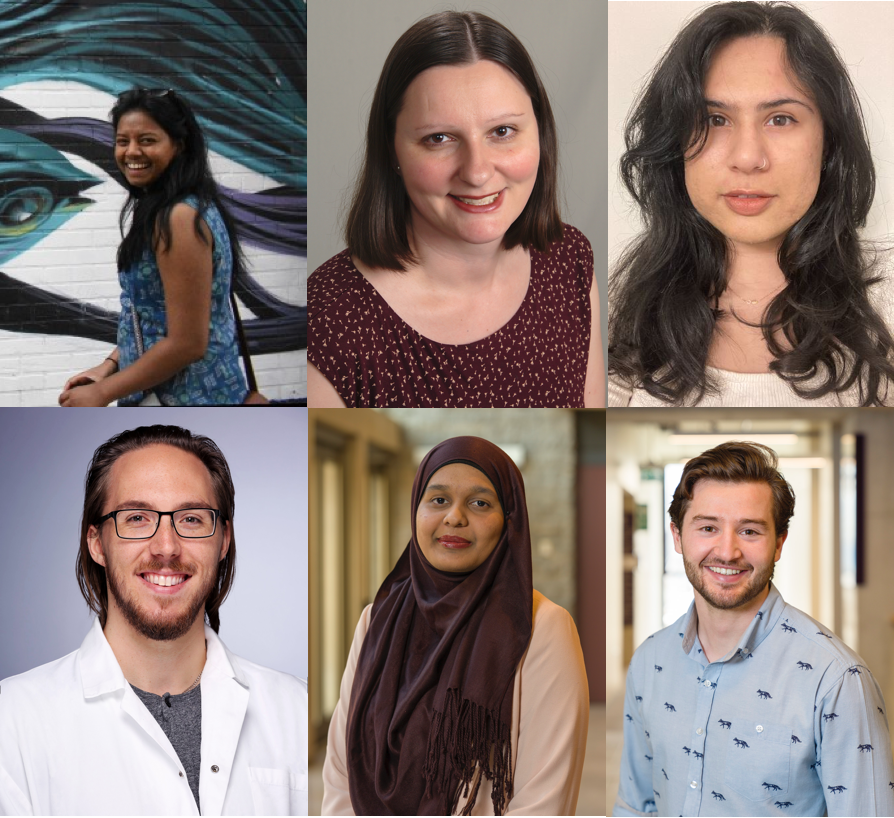
Abby Christopher is dedicated to environmental sustainability through her research and innovative policy proposal. Her proposal, “Harbouring Life: Managing Port Impacts on Coastal Ecosystems,” aims to address the lack of consistent ecosystem monitoring in Canadian ports.
The proposal’s novelty lies in its comprehensive approach, emphasizing standardized guidelines, transparency, and collaboration with Indigenous communities to ensure sustainable port management practices. Abby’s proactive approach seeks to protect marine ecosystems while fostering accountability and long-term development.


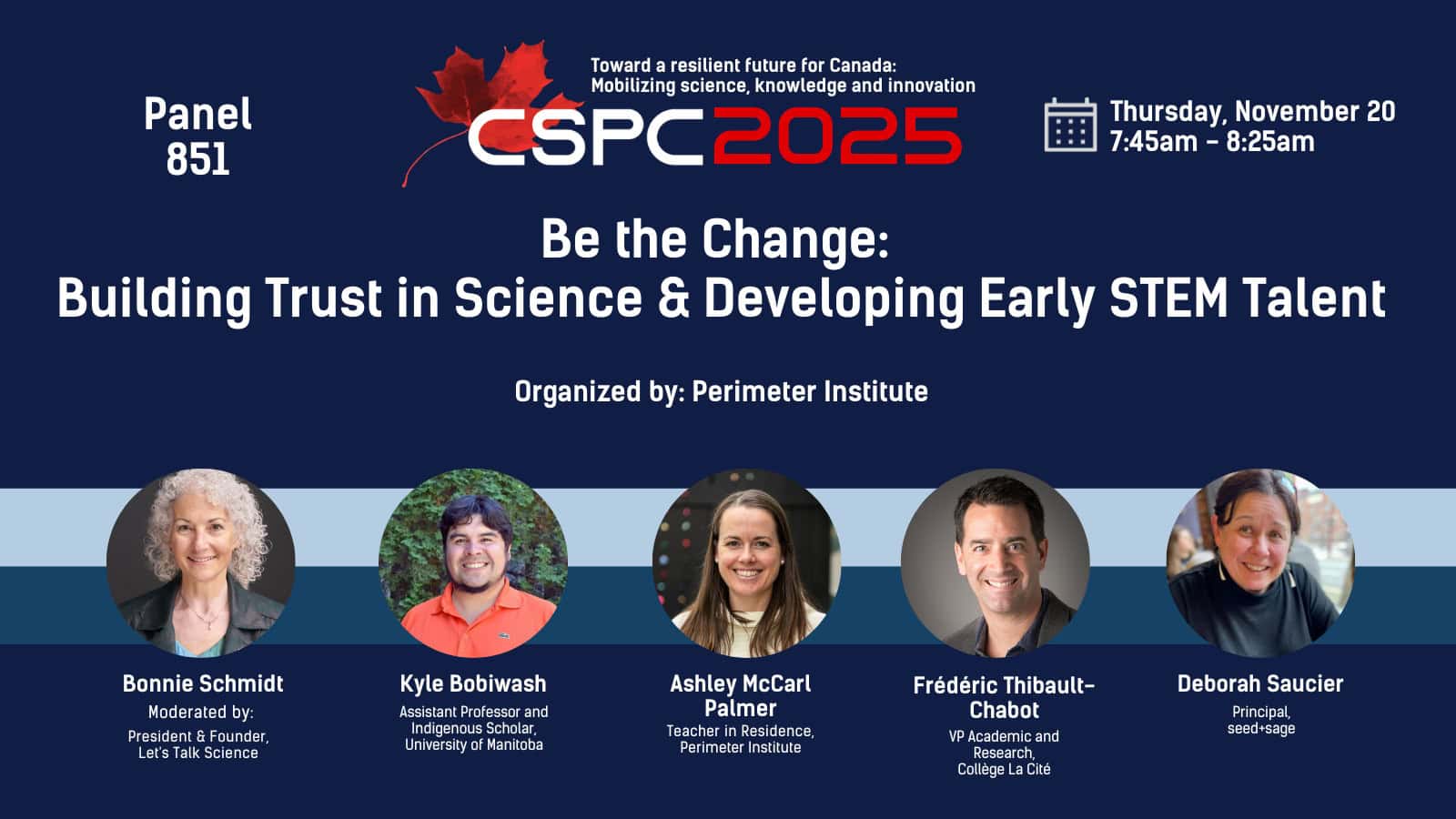
Dr. Bonnie Schmidt is the President and Founder of Let’s Talk Science, a national education charity established in 1991. With her background in physiology, she has led the organization in delivering impactful STEM programming to millions of youth and educators across Canada. Dr. Schmidt’s pioneering vision of engaging post-secondary students as volunteer role models has created over 55 outreach sites nationwide, involving tens of thousands of volunteers.
She was selected for this award due to her transformative leadership in STEM education and outreach, which has significantly advanced science literacy and engagement in Canada. Her commitment to equity and public engagement has positioned Let’s Talk Science as a bridge between the Science, Technology & Innovation ecosystem and the education system. Dr. Schmidt’s leadership in establishing national collaborations, co-founding the Science & Technology Awareness Network (STAN), and advising various national and international bodies has left a lasting impact on STEM education, benefiting generations to come.

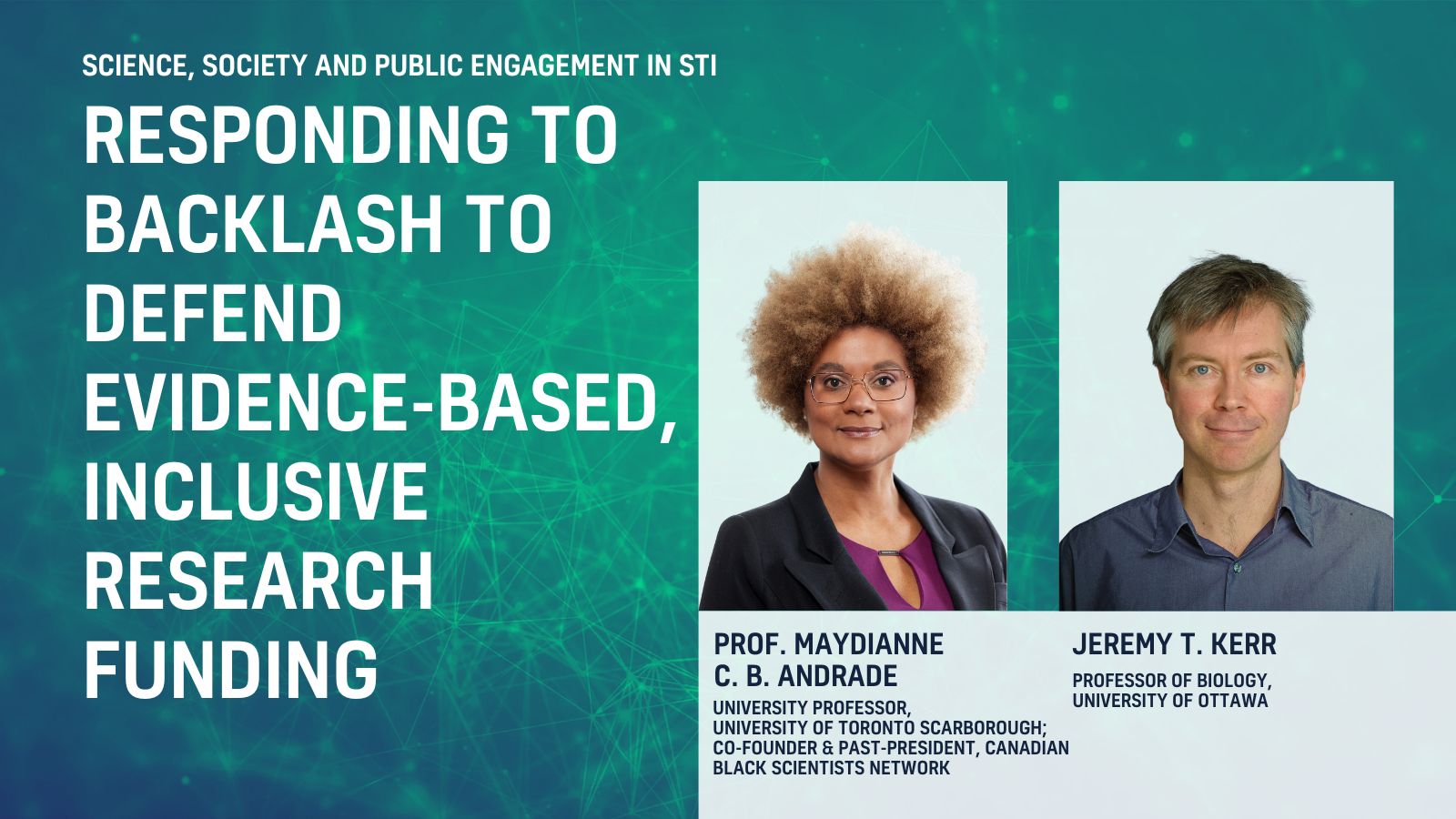
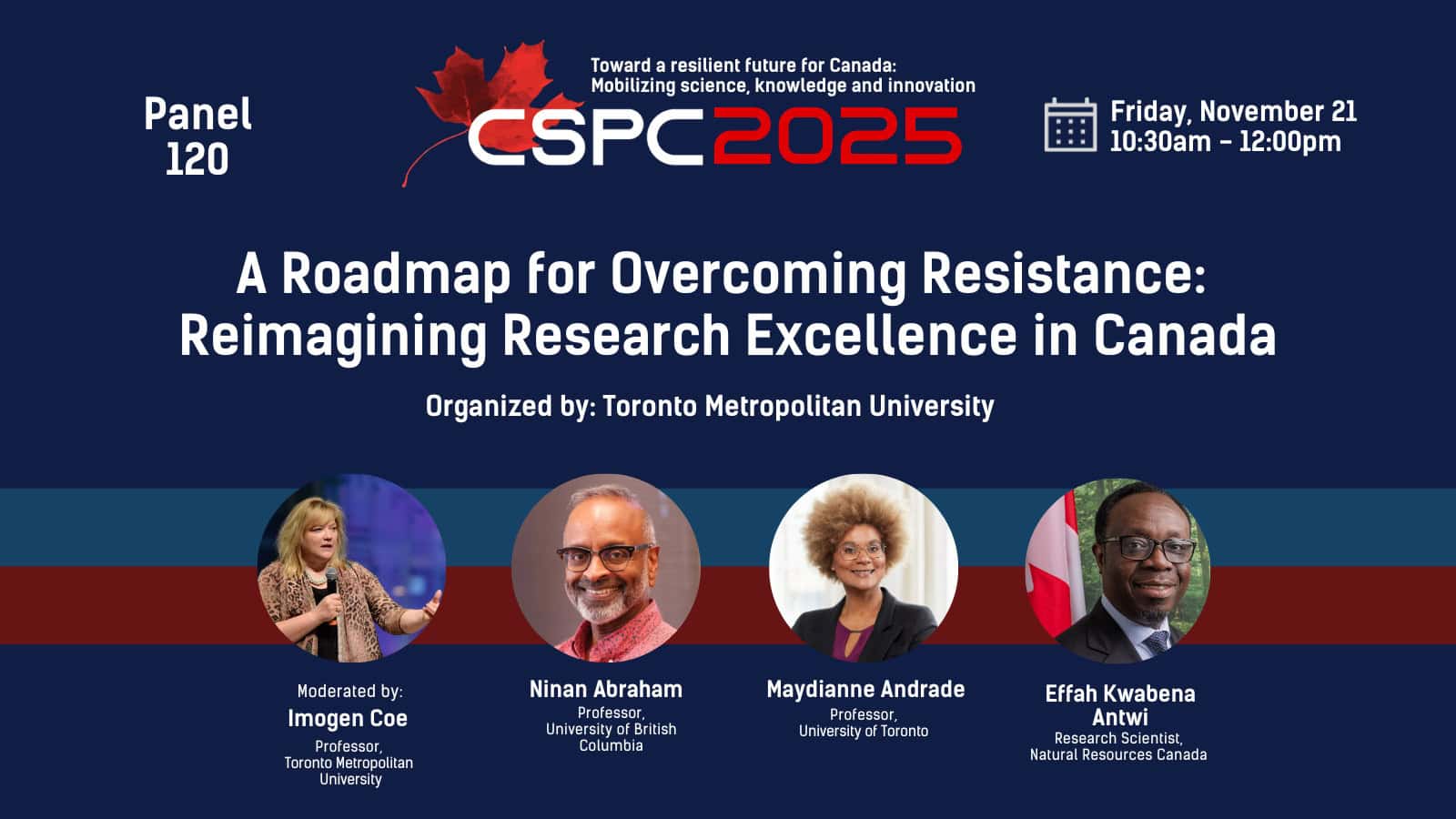
Dr. Maydianne Andrade was selected as the recipient of this Award because of her significant contribution to advancing equity for Black and underrepresented scientists in Canada. As the founding president of the Canadian Black Scientists Network, she has created impactful initiatives such as the BE-STEMM conference and the Youth National Science Fair, inspiring and supporting Black professionals and students across the country. Through her leadership in the Toronto Initiative for Diversity and Excellence (TIDE), Dr. Andrade has championed inclusive practices by developing educational modules on bias and inclusion, and facilitating critical conversations on equity.
Her transformative efforts have earned her recognition, including the Ludwig and Estelle Jus Memorial Human Rights Prize, leaving a lasting impact on the inclusivity of STEMM careers in Canada.
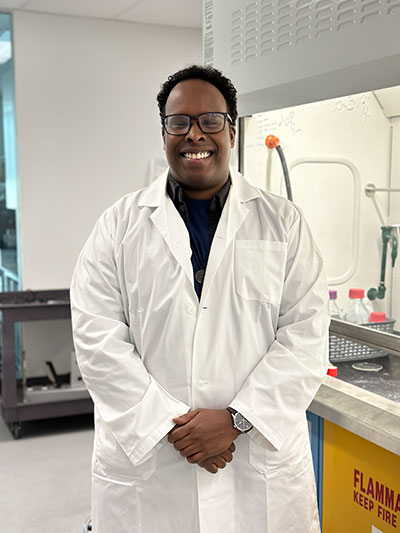
Burhan Hussein is a research chemist, educator, and innovation enthusiast with expertise in sustainable technologies, materials science, and science policy. Burhan’s career spans academic research, industry collaboration, and commercialization, with work ranging from carbon capture materials to new cancer therapies.

Dr. Eugenia Addy is a scientist, communicator, and social entrepreneur whose leadership has transformed STEM access and opportunity for thousands of youth in Ontario. As CEO of Visions of Science (VOS), she has grown the organization from serving 6 communities on a $20,000 budget to now reaching over 50 communities in the Greater Toronto and Hamilton Area with a budget surpassing $2 million. Under her direction, VOS has created a suite of programs that guide youth from elementary school through post-secondary and early career stages, making their journey into STEM intentional rather than serendipitous.

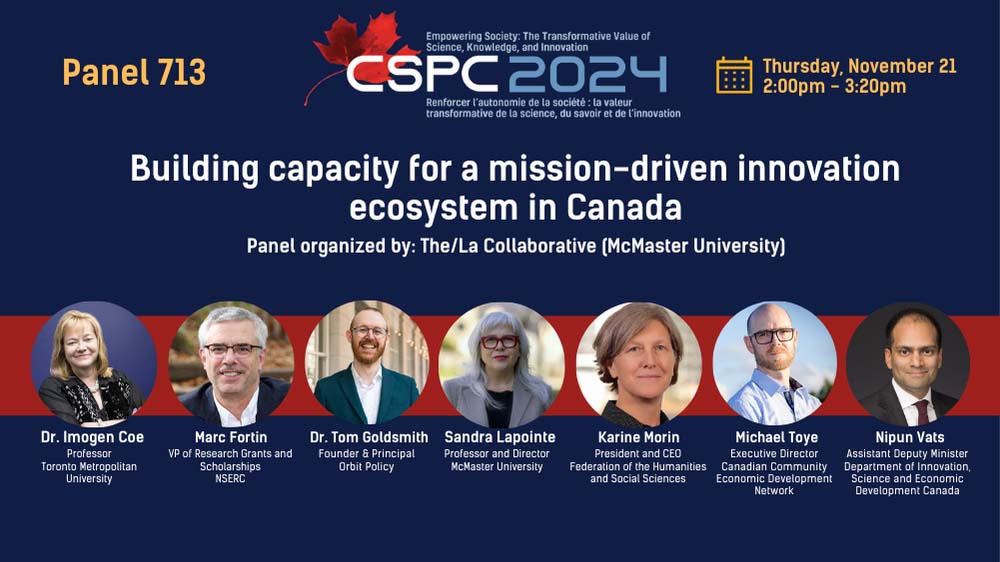
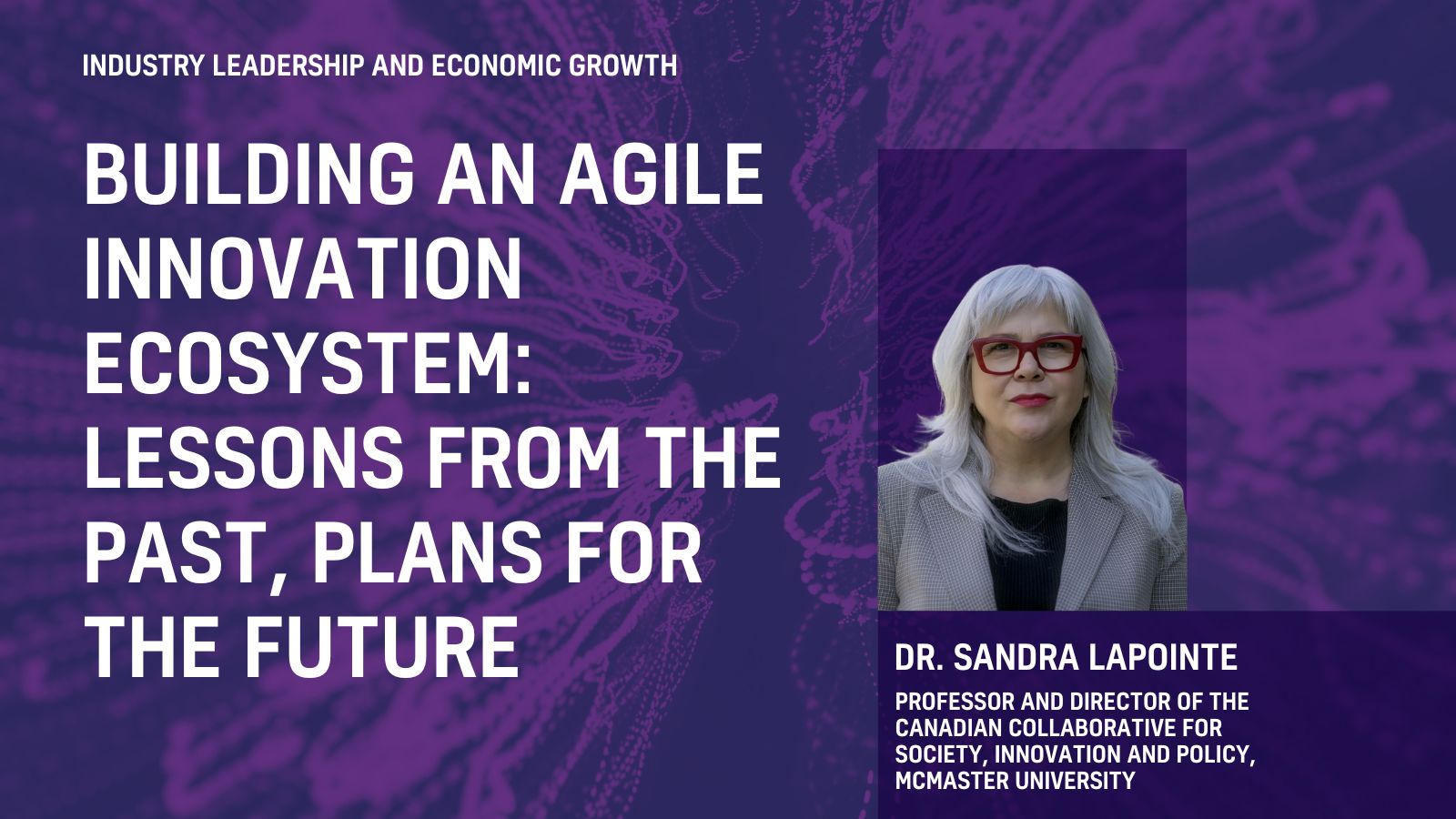
Dr. Sandra Lapointe is an innovator, a convenor, and a capacity-builder. Through transformative initiatives like the Canadian Forum for Social Innovation (CFSI), La/The Collaborative and Canadian Collaborative for Society, Innovation, and Policy (CCSIP), Dr. Lapointe is a champion to those traditionally left out of the “innovation” discussion. She has forged interdisciplinary and cross-sectoral collaborations from social science, humanities and arts research that focus on innovation beyond its conventional associations with commercialization. Her impact is felt nation-wide.

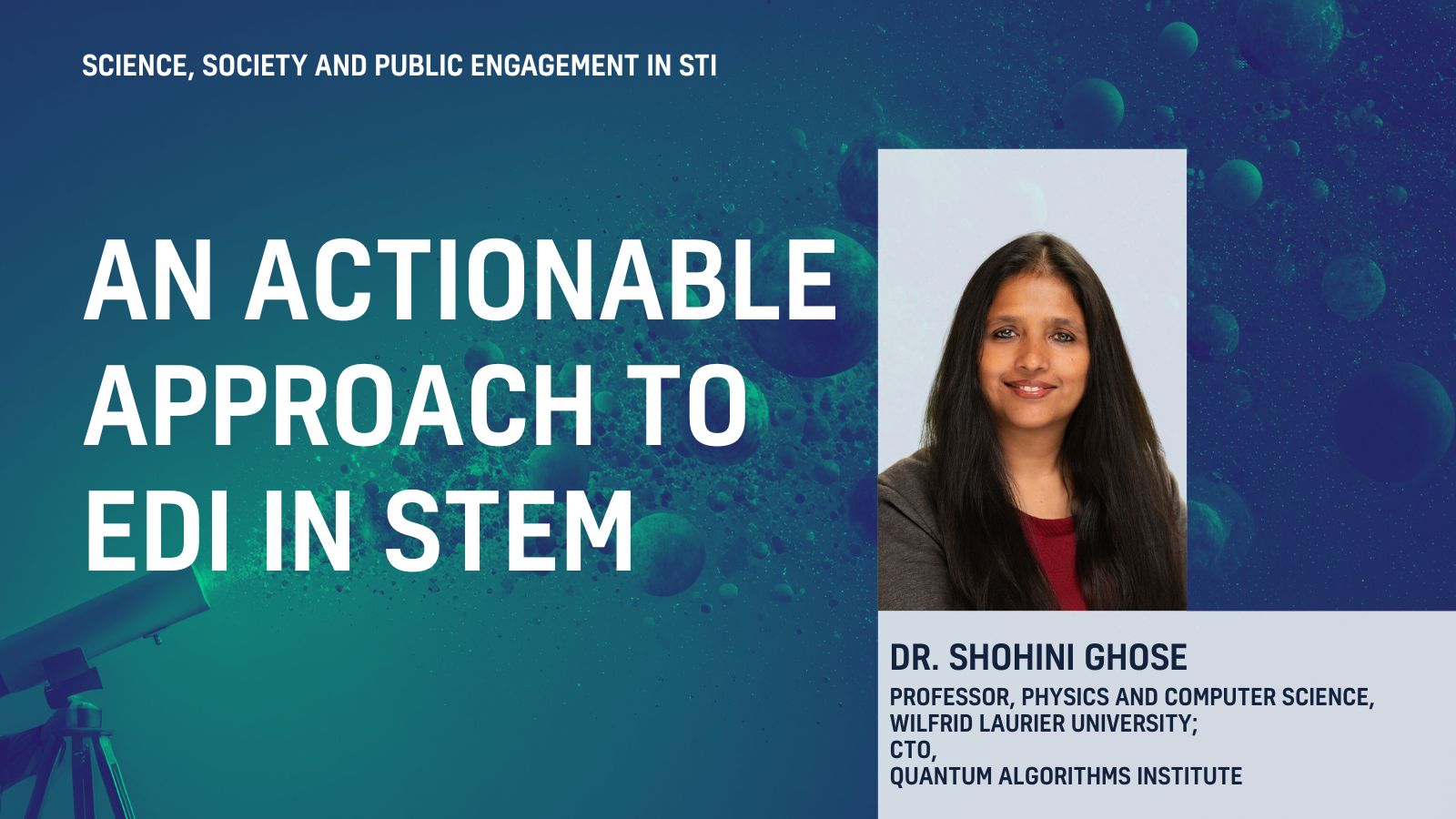
From quantum computing to the first national survey of EDI in the physics community to TED talks in science communication, Dr. Sohini Ghose is a trailblazer and leader in STEM. Her 2023 book: Her Space, Her Time, won the 2023 Science Writers and Communicators of Canada Award.

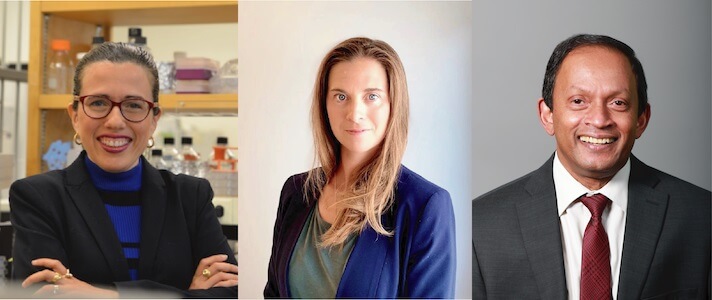
Dr. Illes’ work has brought a new lens to the way that neuroscientists do their work today, not only by guiding the way that they attend to the possible unexpected clinical consequences of their work, but to the importance of integrating multicultural considerations into study design, analysis, and delivery of results that mitigates biases and ensures meaningful and just outcomes. Her trailblazing work has had a major impact on policy making in Canada and around the world. In 2025, Dr. Illes represented Canada as members of UNESCO gathered to negotiate the recommendations on the ethics of neurotechnology – expected to be adopted in the form of soft law at the UN General Assembly.

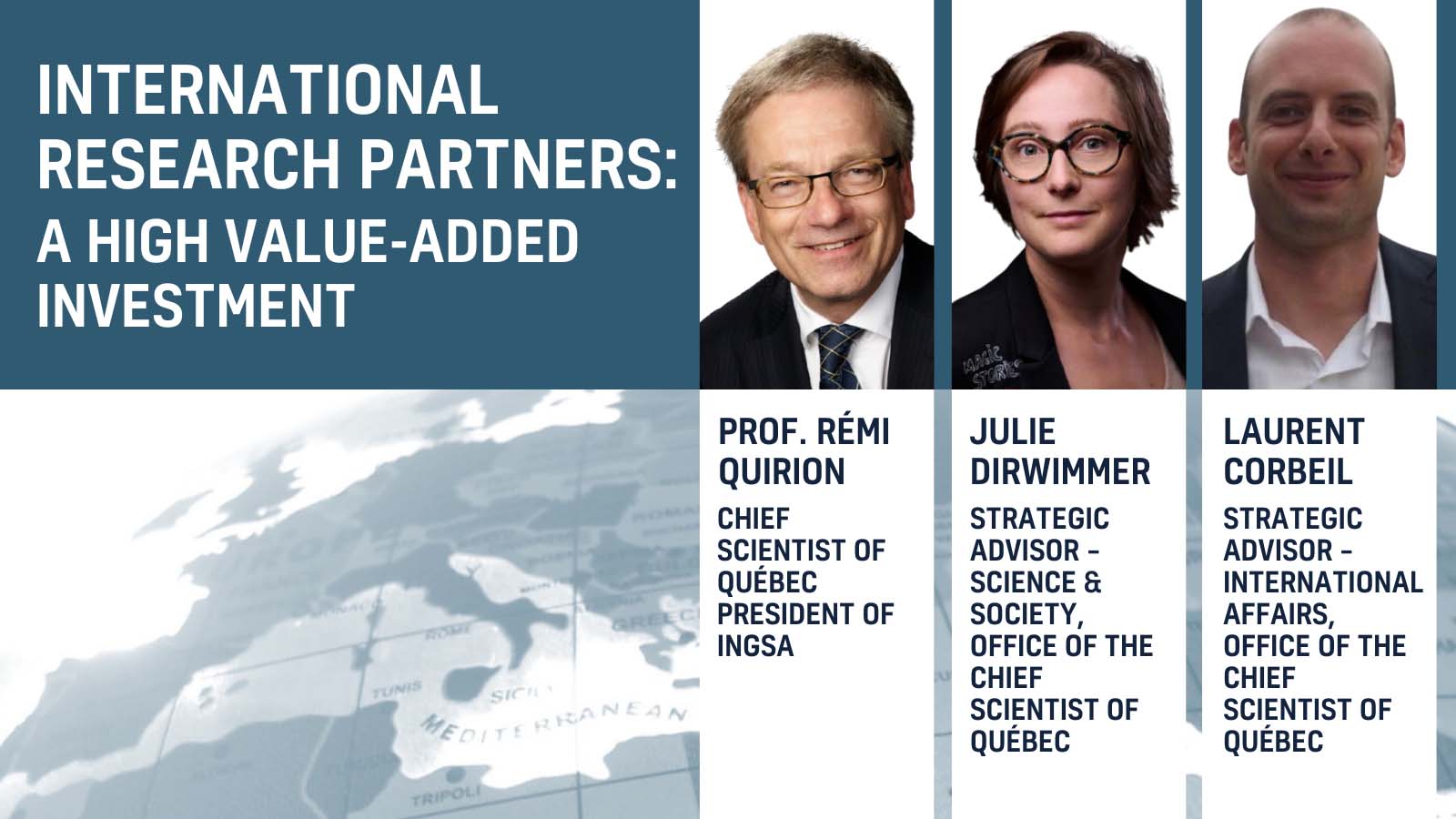
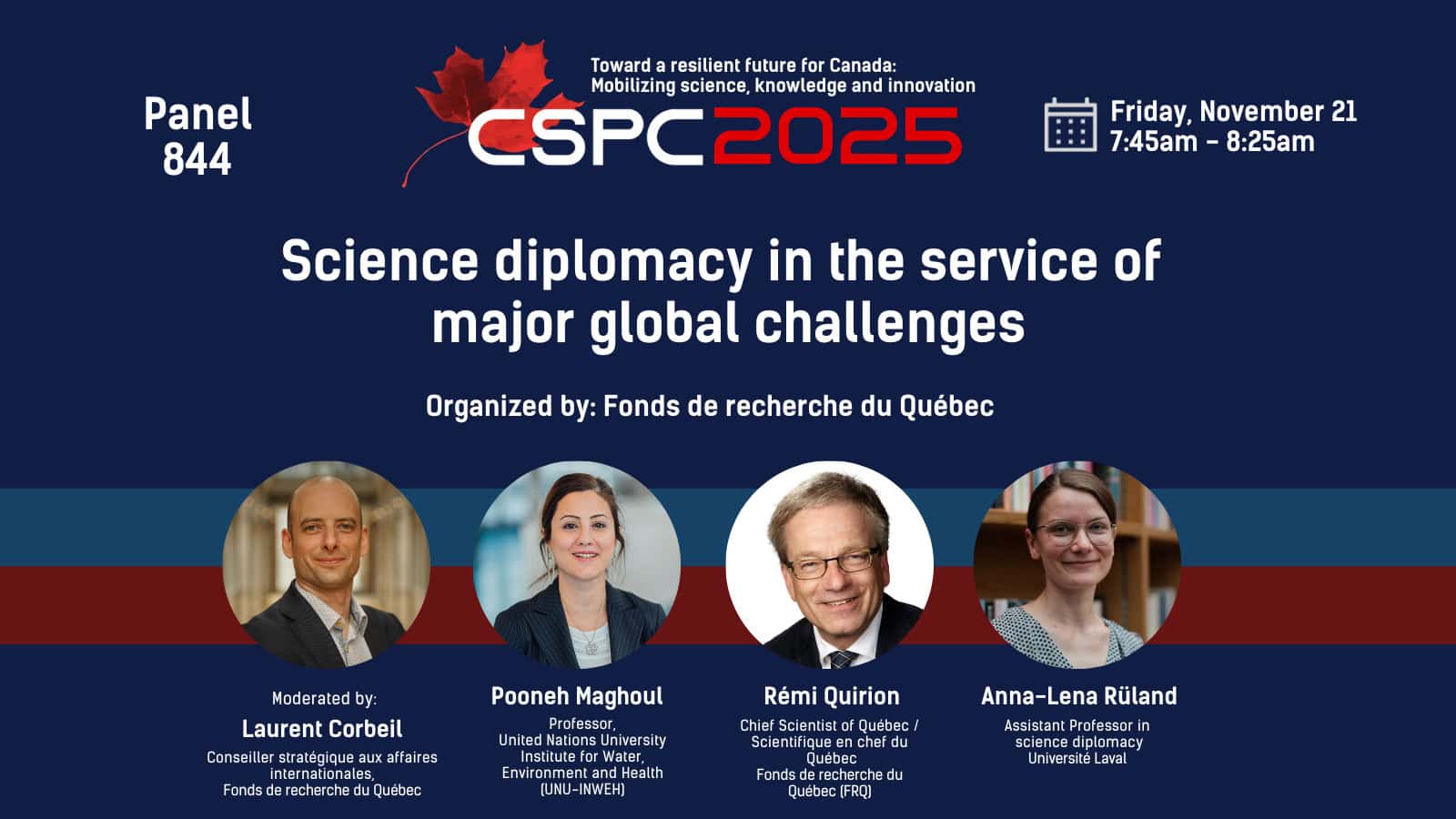
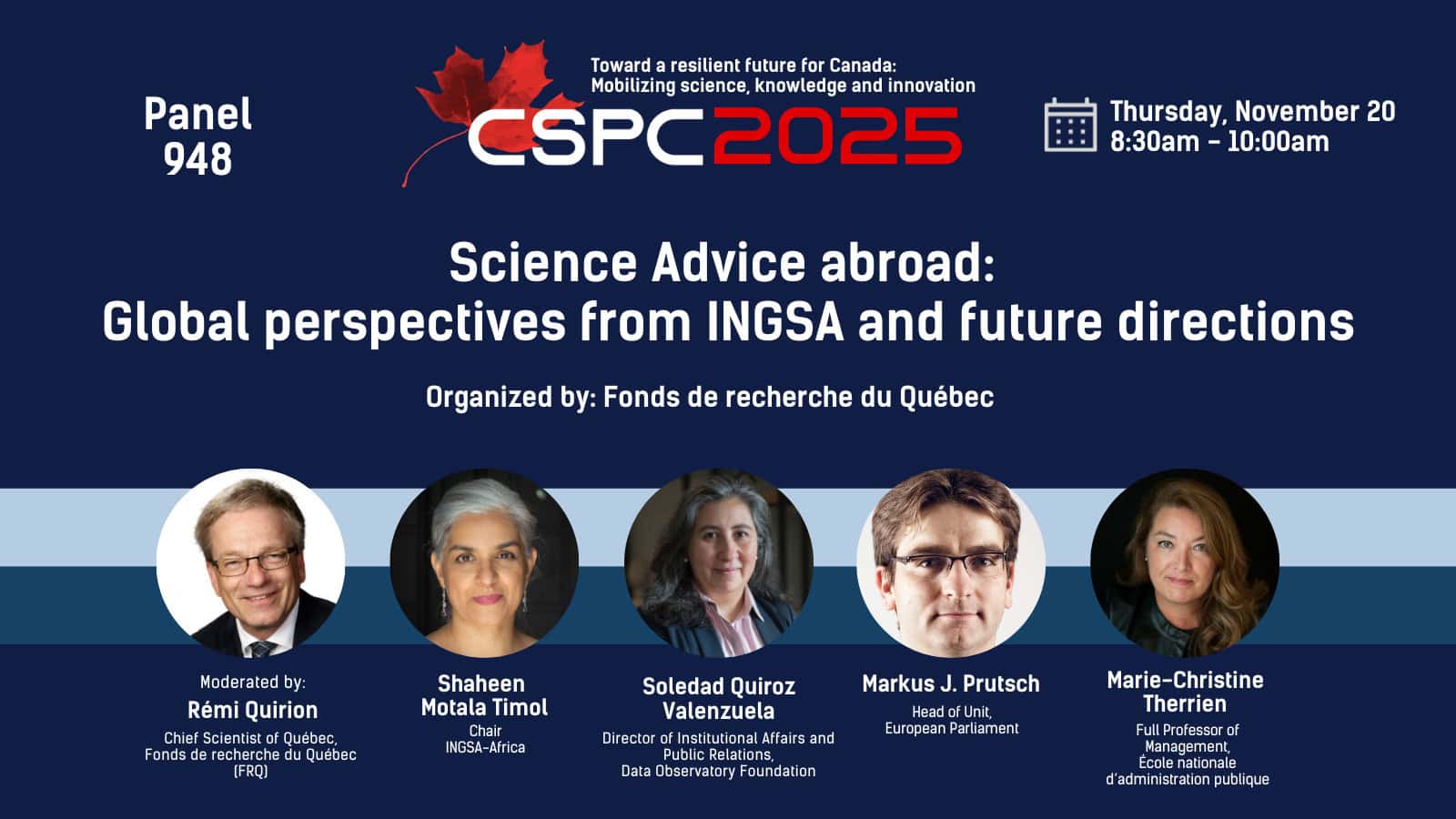
Dr. Rémi Quirion has been selected as the recipient of the CSPC 2025 Lifetime Achievement Award in recognition of his extraordinary and long-term contributions to science, innovation, and public policy in Quebec, Canada and internationally.
As Québec’s first Chief Scientist, Dr. Quirion has been a tireless advocate for interdisciplinary research, international collaboration, and public engagement with science. He has elevated Québec’s standing as a global leader in science and innovation and become one of Canada’s foremost champions of science diplomacy, fostering strong ties with the Francophonie, the Global South, and other partners worldwide.

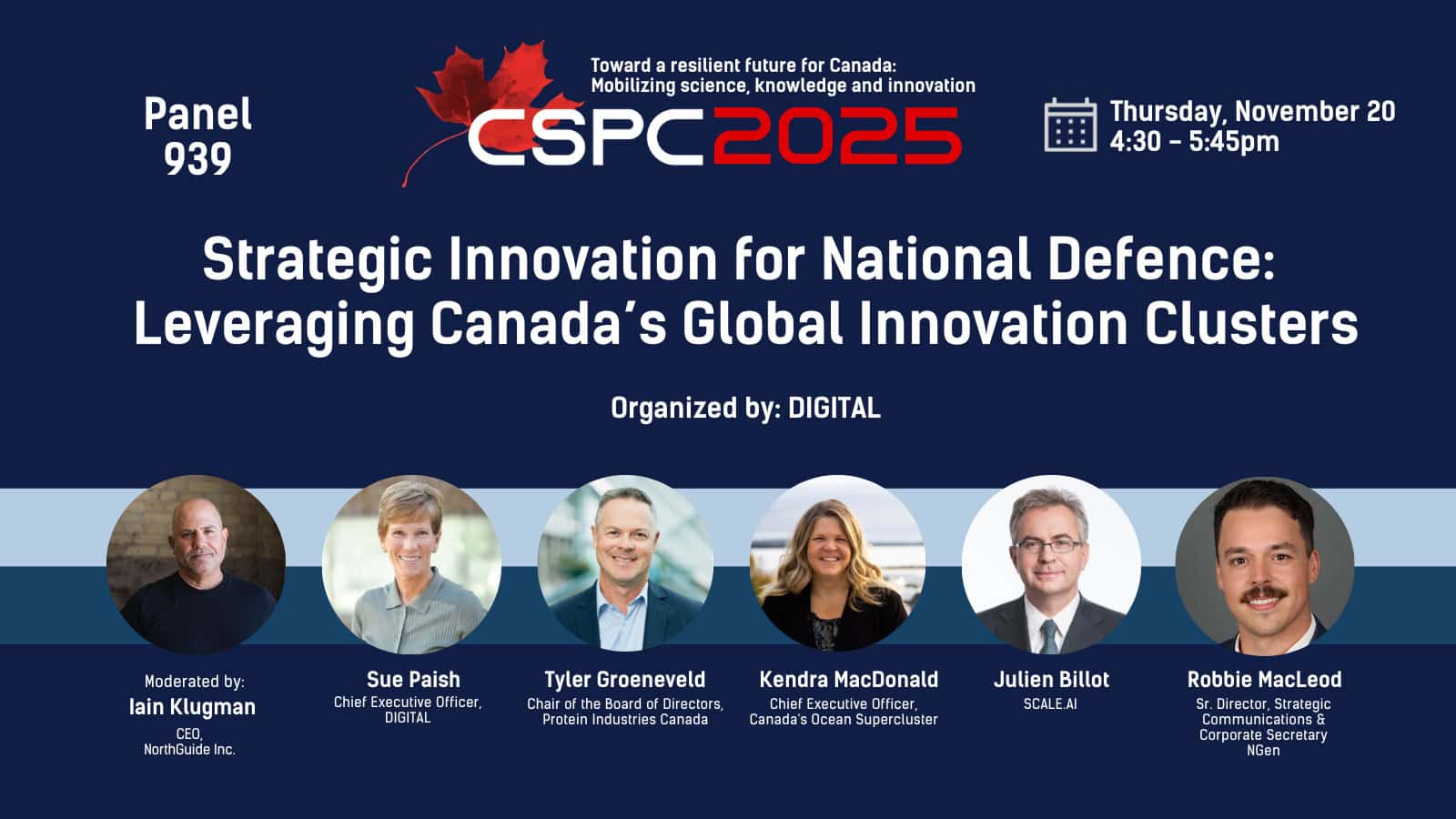
As Canada prepares to increase its investment in defence, it is important that our government adopt a 21st-century approach to security and sovereignty, one that is defined not only by [...]

Artificial intelligence (AI) has emerged as a transformative force in healthcare, with applications ranging from predictive diagnostics to personalized treatment recommendations. Canada, home to globally recognized AI research centres, is [...]

As a political communicator and feminist advocate, I have become increasingly attuned to how everyday choices, particularly around food, reflect deeper structures of class, power, and identity. One of the [...]

Canada’s research ecosystem continues to play a significant role in global scholarship and publications, providing a consistent lens through which national research output, institutional participation, and disciplinary distribution can be [...]
The Editorial Committee of the Canadian Science Policy Centre has retracted the article “Le vrai défi de la stratégie industrielle de défense du Canada : convertir les capacités duales en [...]

Canada’s experience during the COVID-19 pandemic revealed a surprising and troubling vulnerability. In the midst of that global crisis, we lacked the domestic capacity to produce the one vital tool [...]

Canada developed its Defence Industrial Strategy in light of an increasingly fragile international rules-based order. The Strategy outlines two responses to this reality: 1) engaging Canadian industry to produce defence-related [...]

Canada’s recently released Defense Industrial Policy is an ambitious document. But as with any government initiative that aims to use public money to grow private business, an unspoken risk is [...]

Keywords: Asymmetric Warfare, SME Innovation, Defence Industrial Strategy, BOREALIS, Arctic Sovereignty The asymmetric imperative: Why Canada must pivot its defence strategy The release of “Security, Sovereignty and Prosperity: Canada’s Defence [...]
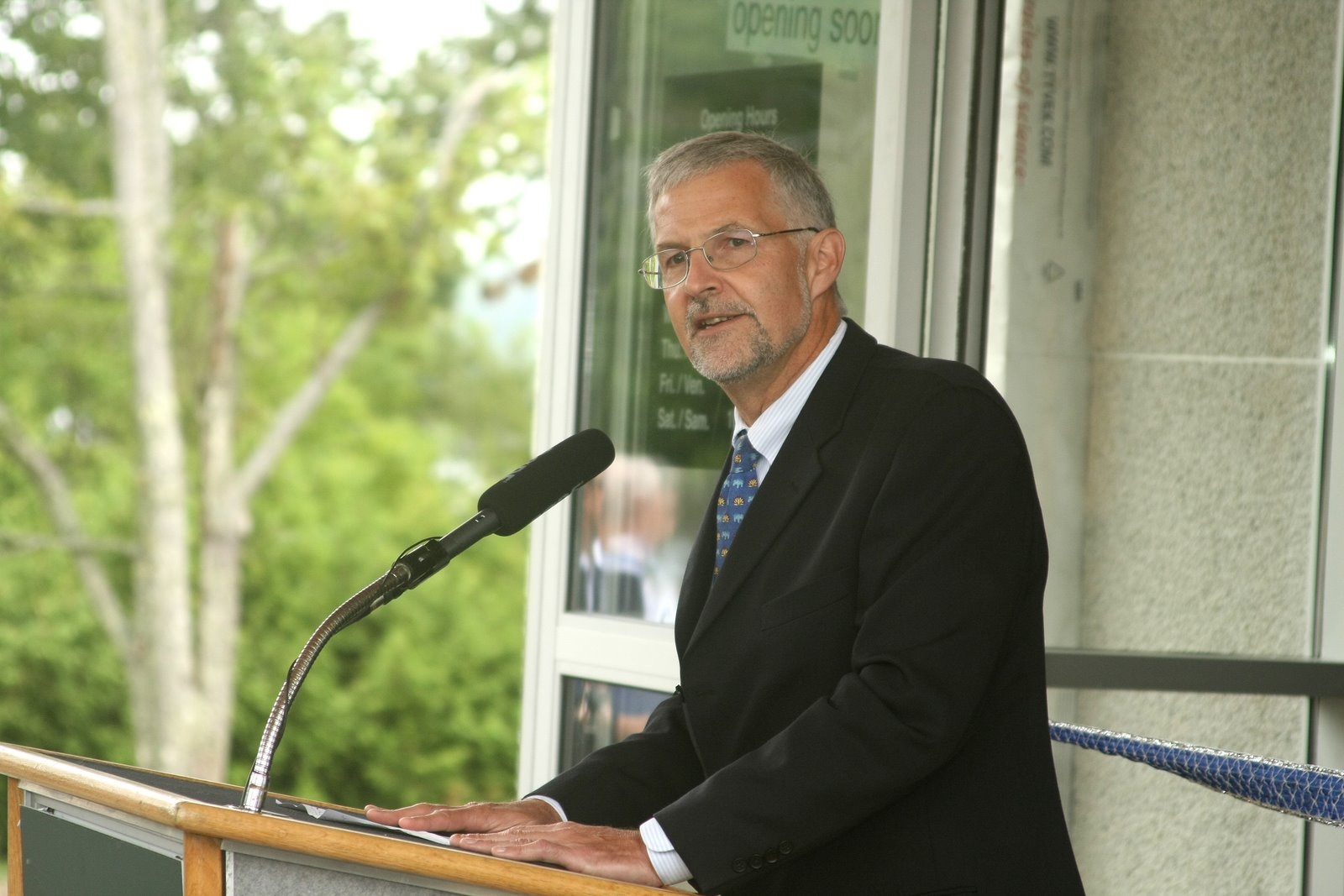
The history of humanity has been one of constant adaptation in response to perpetually volatile and dangerous times. The present is no exception. Historically, the threats have varied over time, [...]

Canada’s new Defence Industrial Strategy (DIS), unveiled in February 2026, promises to increase government investment in defence-related R&D by roughly 85 percent over the next decade (Department of National Defence, [...]
Canada’s Arctic stands at the heart of national priorities, as a strategic, contested, and rapidly transforming region, central to sovereignty, security, and identity. Federal policy now reflects this shift. Budget [...]

Imagine two countries facing the same threat. Both know the technology will evolve quickly and the first solution will be incomplete. One spends years refining requirements and waiting for certainty. [...]

Canada’s innovation challenge is no longer a matter of diagnosis but of action. The Council of Canadian Academies’ (CCA) 2025 report on the State of Science, Technology, and Innovation delivers [...]

Canada’s new Defence Industrial Strategy commits to an ~85% increase in defence R&D investment over the next decade, a historic shift that rightly frames national security as an innovation challenge. [...]

Canada has a long history of devaluing defence relative to other national priorities. When Senator Dandurand described our country as “a fireproof house, far from the sources of conflagration” in [...]

When we look back at the 2020s, will we see missed opportunities—or a decade where Canada was truly a world leader in innovation? The Canadian government has been clear about [...]

Canada’s new national AI strategy, AI for All, makes an unusually clear bet. “Trust is the north star of this strategy,” the document declares, and its logic follows in a [...]

Artificial intelligence has advanced with extraordinary speed. In recent years, powerful AI systems have transformed sectors ranging from software development and finance to logistics and scientific research. Much of this [...]

Canada’s new AI strategy sets a target made for the headlines: to raise businesses’ adoption of artificial intelligence from roughly 12% today to 60% by 2034. [1] However they are [...]

Canada’s AI for All strategy sets out an important vision for expanding AI literacy, adoption, infrastructure, and access, while also emphasizing safety, trust, and protection from harm. One area that [...]

Canada’s new AI strategy gets the destination right. Whether we arrive depends on a transition inside our firms that the strategy never mentions — and that too few leaders can [...]

Aging and brain health represent one of the biggest economic risks and opportunities of our time. As populations age, countries face mounting pressures on labour markets, productivity, healthcare systems, and [...]

Hugh Laurie has never diagnosed a patient. Neither has George Clooney, nor Ellen Pompeo. They have played doctors so convincingly that a generation associates their faces with medical authority, yet [...]

Canada has a well-documented growth-capital gap: the risky stretch between roughly $5 million and $25 million where promising companies struggle to move from validation to scale. As The Globe and [...]

Despite its academic prowess in artificial intelligence (AI), Canada is late in building a strong AI innovation ecosystem, but it is not too late. While Canada will not outcompete the [...]

Artificial Intelligence is a new technology that has further developed in 2026. With the emergence of new tools such as Co-Pilot, Claude, and Chat GPT, executive leaders, policymakers, academic leaders [...]

Why Canada’s low business AI adoption is a change-management problem — and why “AI for All” should fund a grant program for SME process redesign, not just AI tools. Canada [...]

Canada’s new AI strategy can map soil, forecast orchard yields and hunt invasive species. But at the barn door, the signal goes strangely quiet. That is not a minor omission. [...]

The Trust Gap Trust is not built by slogans. Clinicians earn it one encounter at a time. It is one of the unseen foundations health care depends on; decades of [...]

Jérémie Boudreault has a multidisciplinary background in actuarial science, statistical hydrology, data science, and environmental health. After completing his PhD at INRS and his postdoctoral fellowship at McGill University, he joined the School of actuarial science at Université Laval as an assistant professor.
His research focuses on modelling the health and economic impacts of climate-related hazards, such as extreme heat, using innovative statistical methods and artificial intelligence. Through his work, he aims to transform complex data into practical knowledge and tools to support decision makers, inform public policy, and strengthen our resilience to climate extremes.

Since 1991, Cindy Adams has led Scientists in School, a Pickering, Ontario based social enterprise charity that delivers high-quality, hands-on STEM enrichment workshops to children aged 3–14 across Canada. Under her leadership, the organization has grown from a regional outreach program into a national leader in science education, reaching nearly 12 million young scientists. Equity and diversity have always been a focus, with a commitment to increasing engagement amongst girls, as well as youth in underserved communities. Cindy oversees a $4 million budget, a staff team of 50, and a network of 200 trained workshop presenters.

Throughout his career, Richard Gold has demonstrated a sustained commitment to advancing open science, intellectual property policy, and health innovation through institution building, policy advice, education, and international collaboration. He has worked to develop collaborative approaches to innovation and knowledge sharing, and these efforts have helped create organizations, informed policy, supported institutional initiatives, and improved access to health technologies in Canada and internationally.
One of Gold’s most significant contributions has been the creation of Conscience, a Canadian non-profit organization dedicated to advancing open science and innovation. He played a central role in establishing the organization, including developing the proposal with federal government policymakers, securing pro bono legal services from a major corporate law firm, overseeing incorporation, recruiting leadership, and contributing to branding and organizational development. Prior to Conscience, Gold founded The Innovation Partnership (TIP), a non-profit organization that provided assistance to Indigenous communities, developing countries, and international organizations on intellectual property and health innovation.

Dr. Emerson’s distinctive analytic approach, ESC (Ethical, Social, Cultural) Thinking, which she co-developed and evolved from her experience delivering the ethics consultation service for the Gates Foundation, is highly effective at identifying and addressing complex moral problems. It has served as the anchor for sound and equitable innovation policy – particularly in the context of high-impact novel health technologies and interventions. In a 12-year period alone, ESC Thinking was embedded across 120+ Gates Foundation-funded global health projects, influencing science innovation policy in over 20 countries, including Canada (per Overton.io). Notably, ESC Thinking was applied in the development of the Foundation’s Global Health Data Access Principles (2011), the open data policy for the world’s largest private global health funder. Led by Dr. Emerson, the policy was designed to catalyze data sharing in global health research, minimize data silos, bolster public-private collaborations, and accelerate research and development (R&D) – all while being responsive to concerns regarding exploitation and inequity experienced by scientists in low-and-middle-income countries (LMICs).

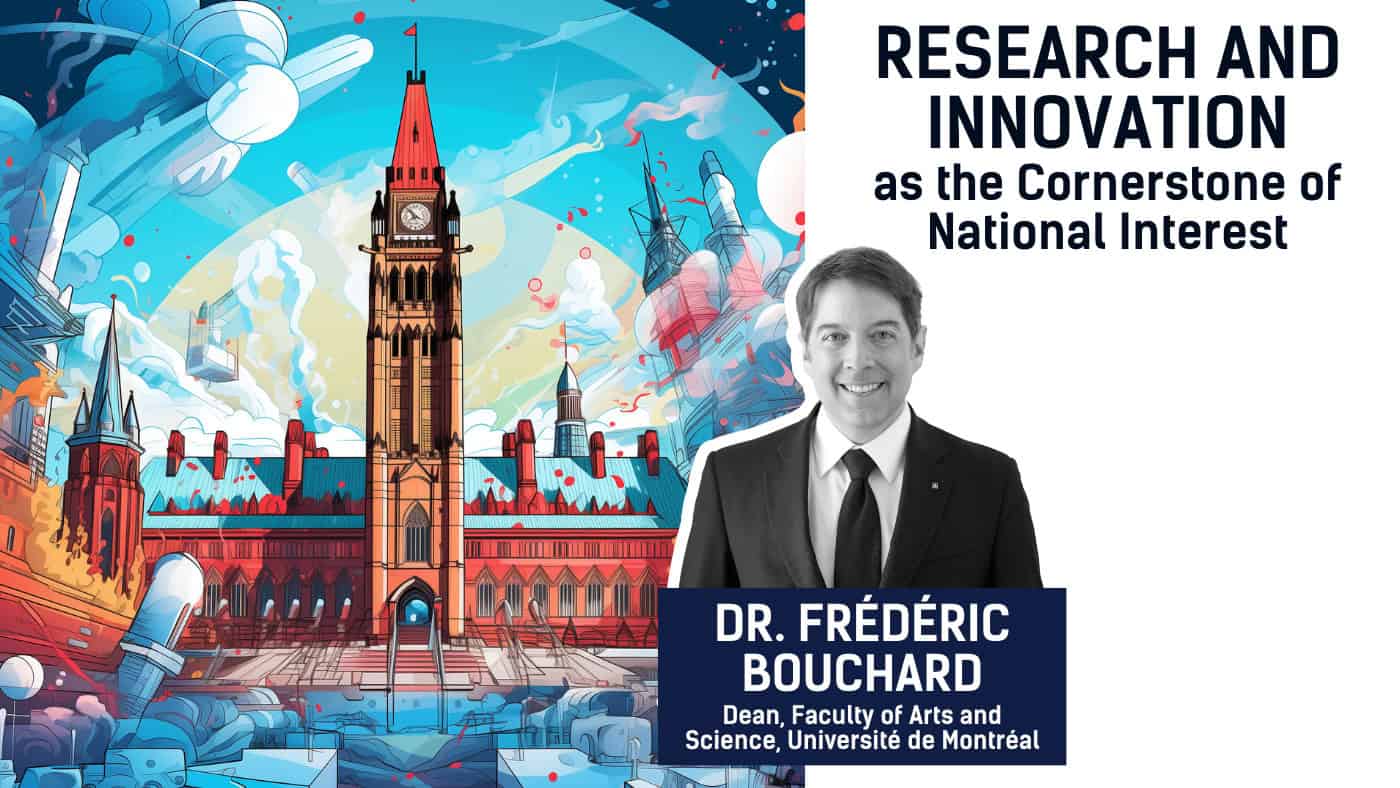
A committed researcher, institutional leader, and leading interdisciplinary figure, Frédéric Bouchard plays a decisive role in making Canada a learning society, one where the production and circulation of knowledge support scientific, social, and economic progress. His impact lies not only in the production of knowledge, but in the transformation of the institutional, political, and intellectual frameworks that structure research.

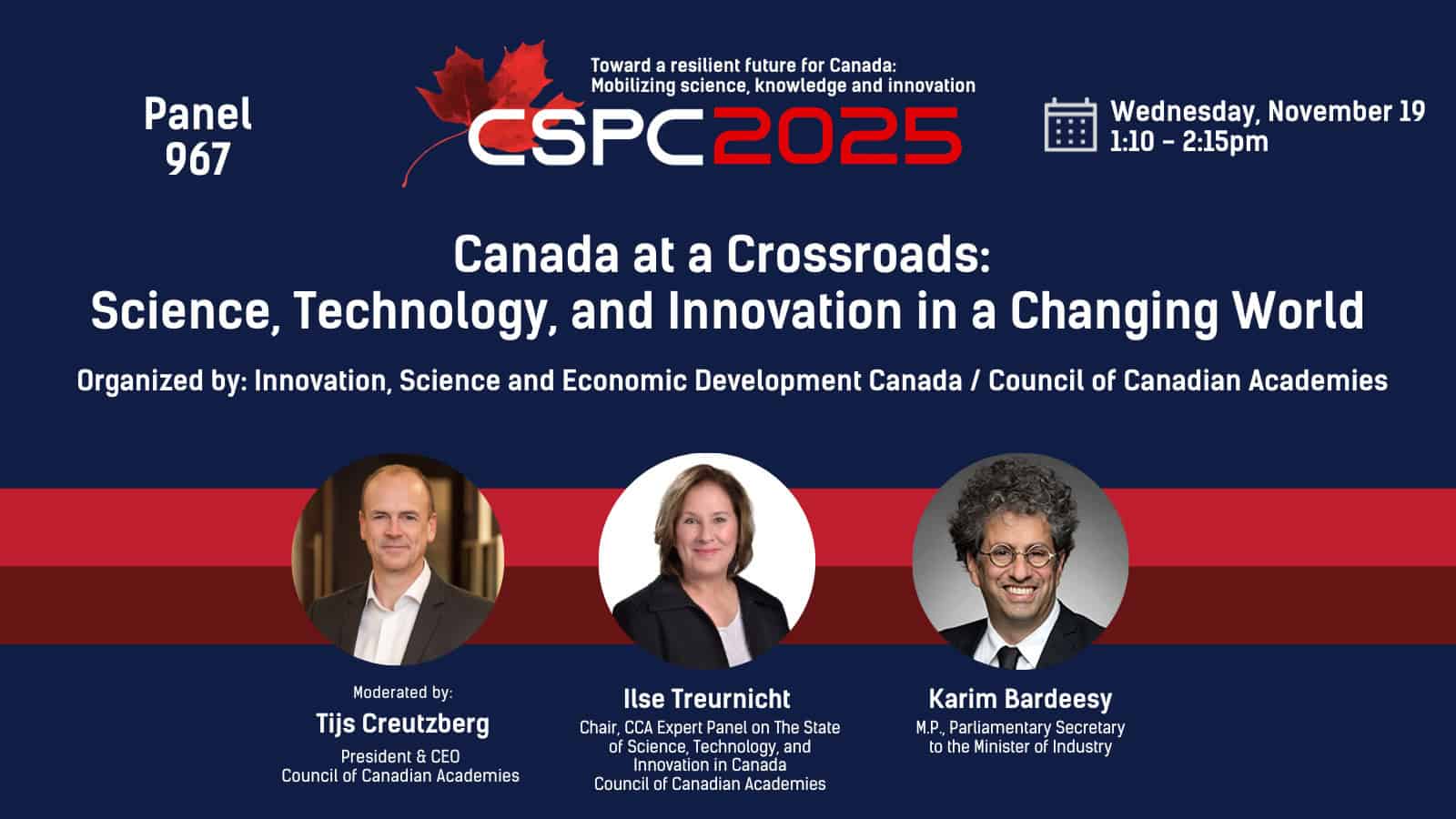
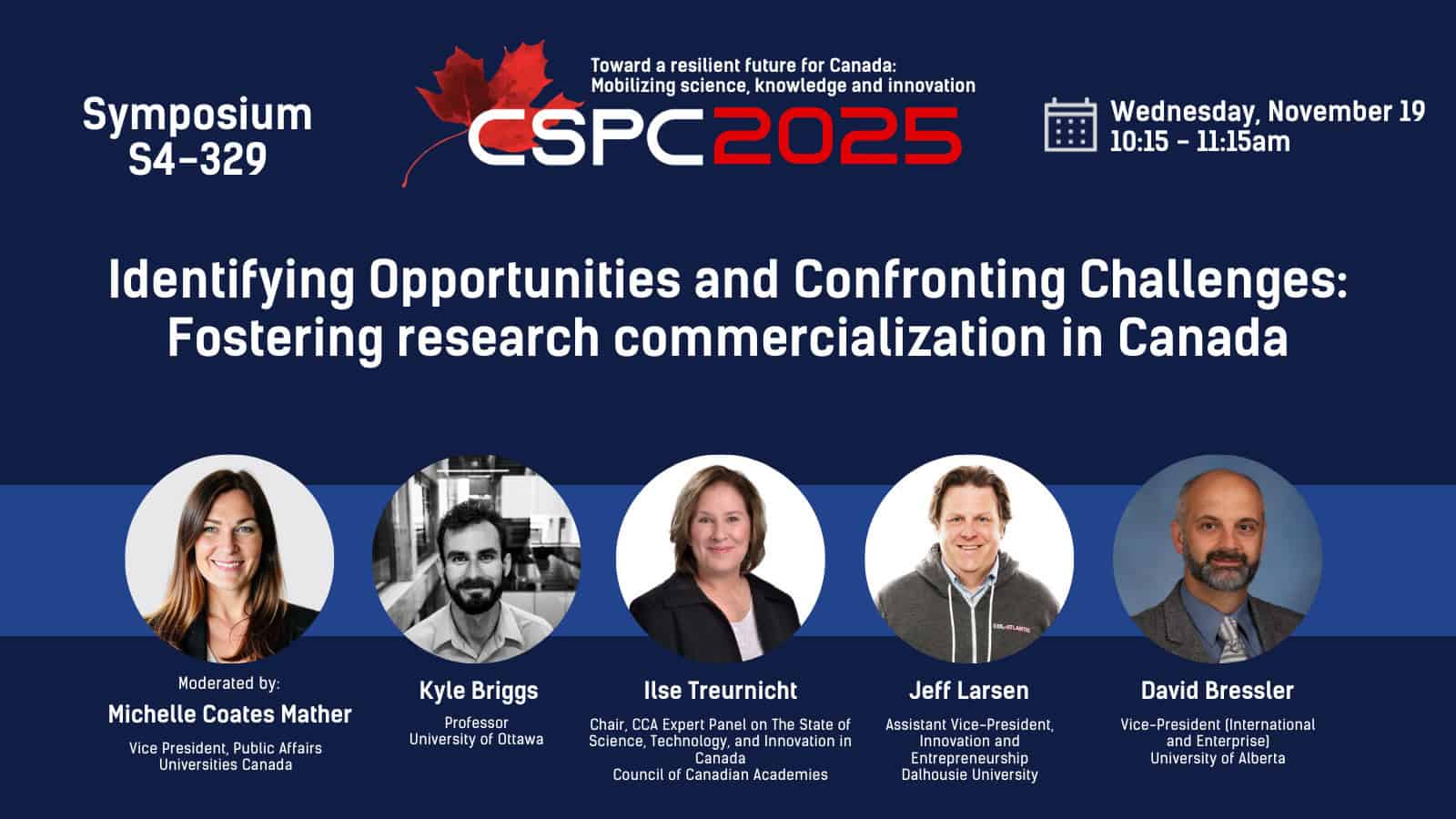
Ilse Treurnicht’s career spans research, health and cleantech firms, innovation ecosystems, venture capital and public policy. She is an impact investor, former chair of the Public Policy Forum and a director of the Equality Fund. She chaired the Council of Canadian Academies expert panel on the State of Science, Technology and Innovation in Canada (2025), and is an advisor to technology businesses, governments, non-profits and international organizations. Ilse served as CEO of MaRS Discovery District as it developed from a nascent organization into a leading urban innovation hub. She holds a doctorate in chemistry from Oxford University, which she attended as a Rhodes Scholar.























































































































































































































































































































































































































































































































Non Profit
Authors: Catharine Whiteside, Alain Beaudet
Author: Stéphanie Michaud
Authors: Yadira Tejeda-Saldana, Sean Frederic Yam, Jonas E. Gerson
Authors: Bassel Kazzaz, Ken Delaney
Authors: Zafer Sonmez, Alain Francq
Authors: Isha Datar, Matt Labine, Yadira Tejeda-Saldana
Academia
Authors: David Hill, Ellen Chesney, Michael Czubryt
Authors: Sylvain Charlebois, Evan Fraser, Lenore Newman, Amy Proulx
Authors: Michael Butler, Elham Salimi
Author: Joshua Pearce
Authors: Mark Bayfield, Julie Claycomb, Martin Sauvageau, Trushar Patel